




Loose price includes presentation box & insured express postage.
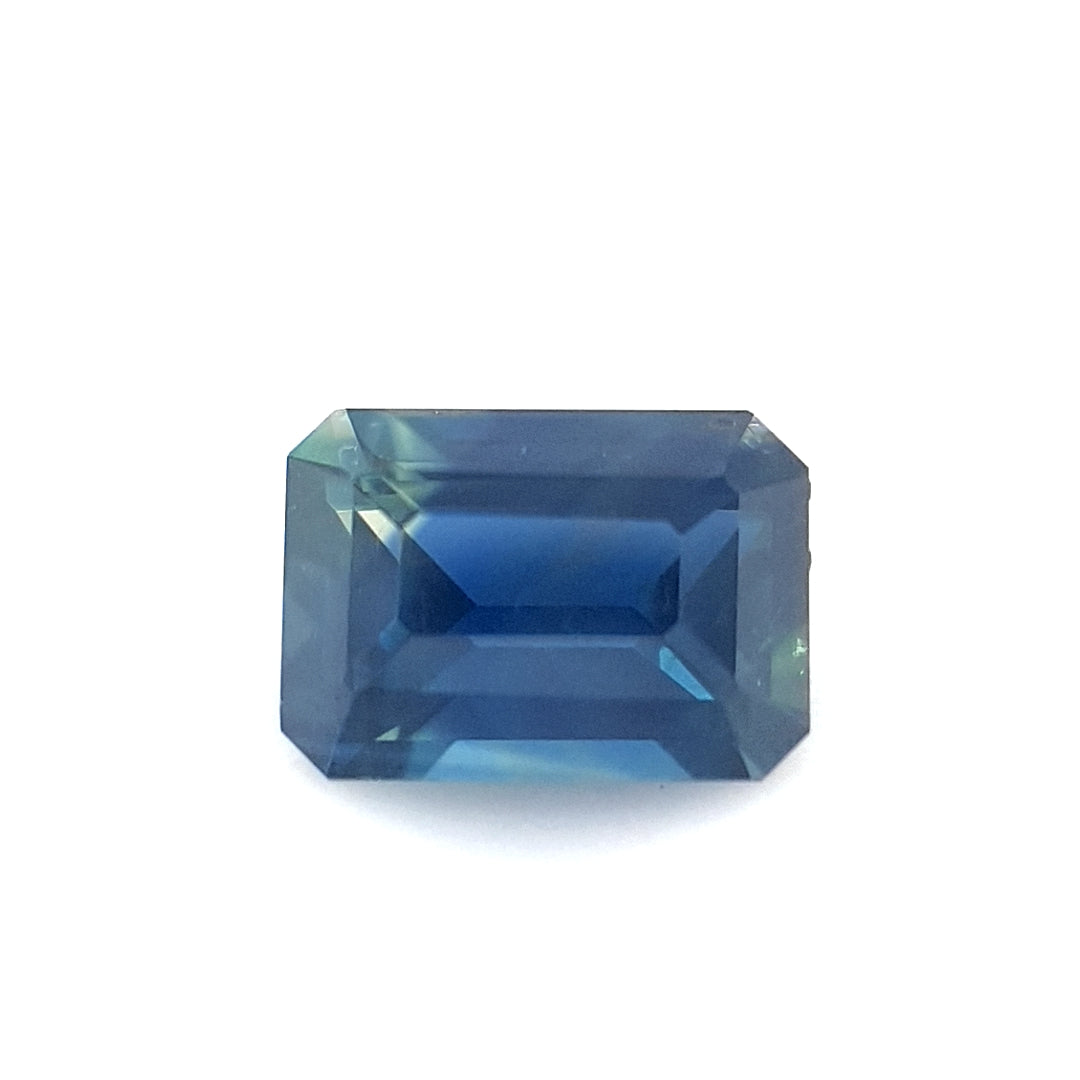
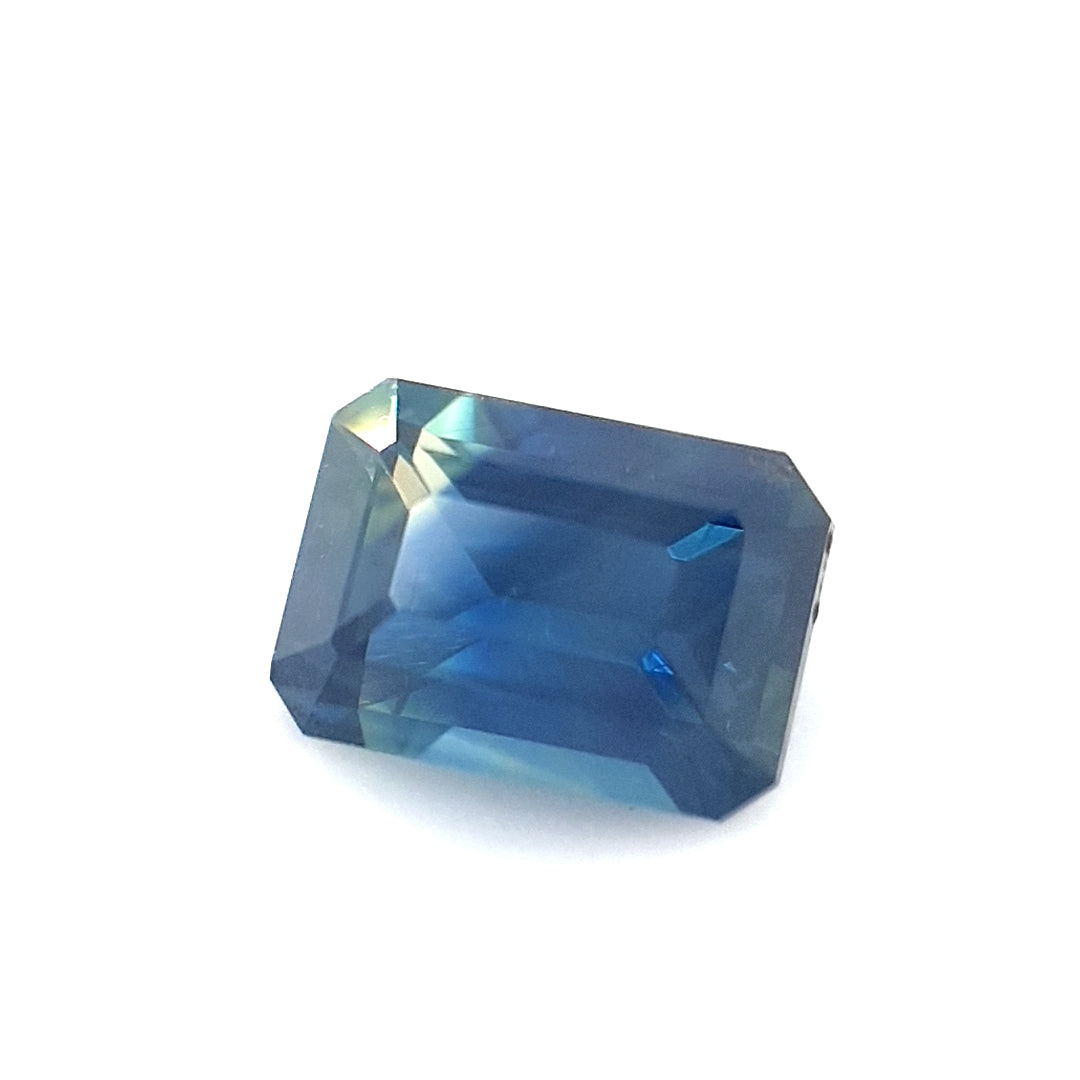
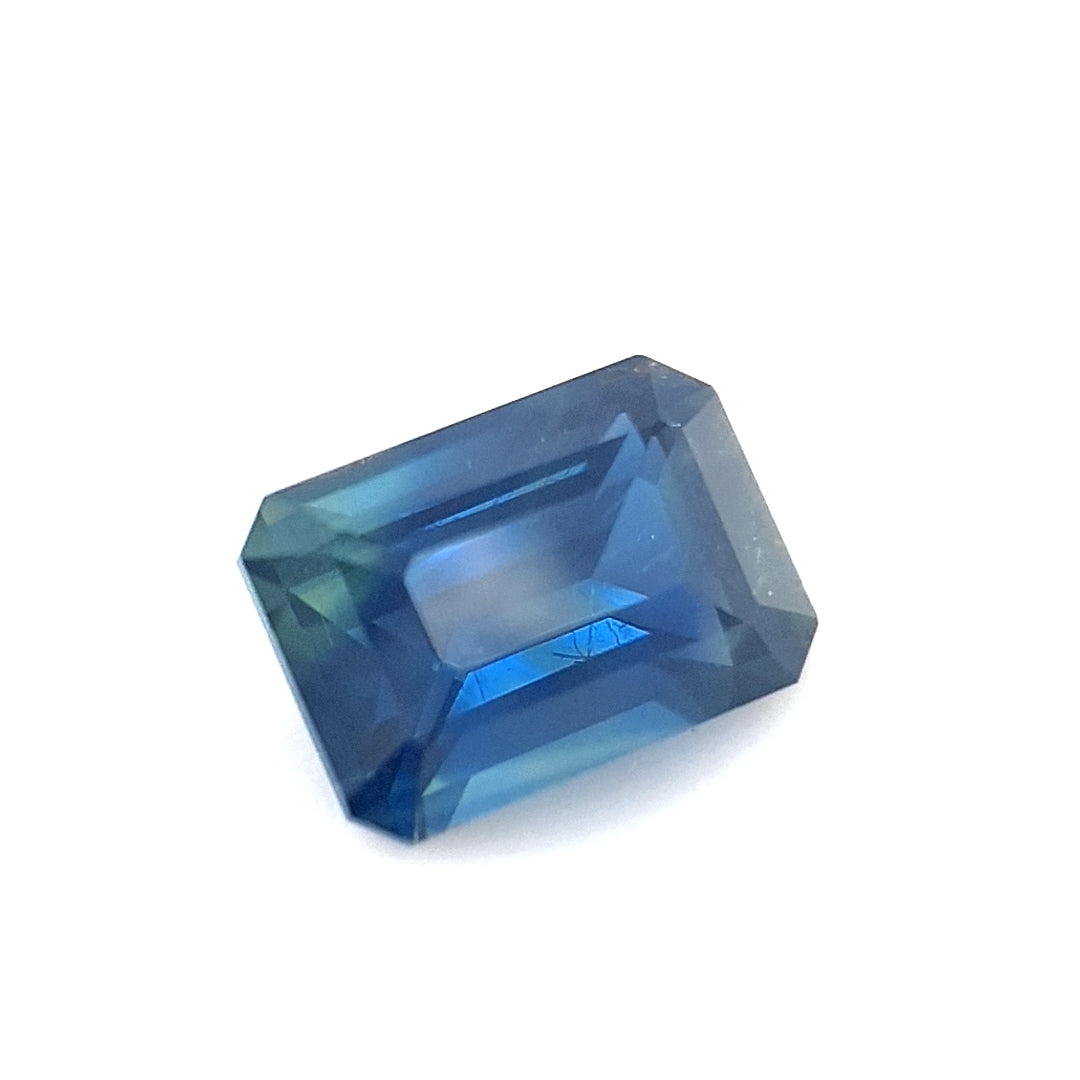
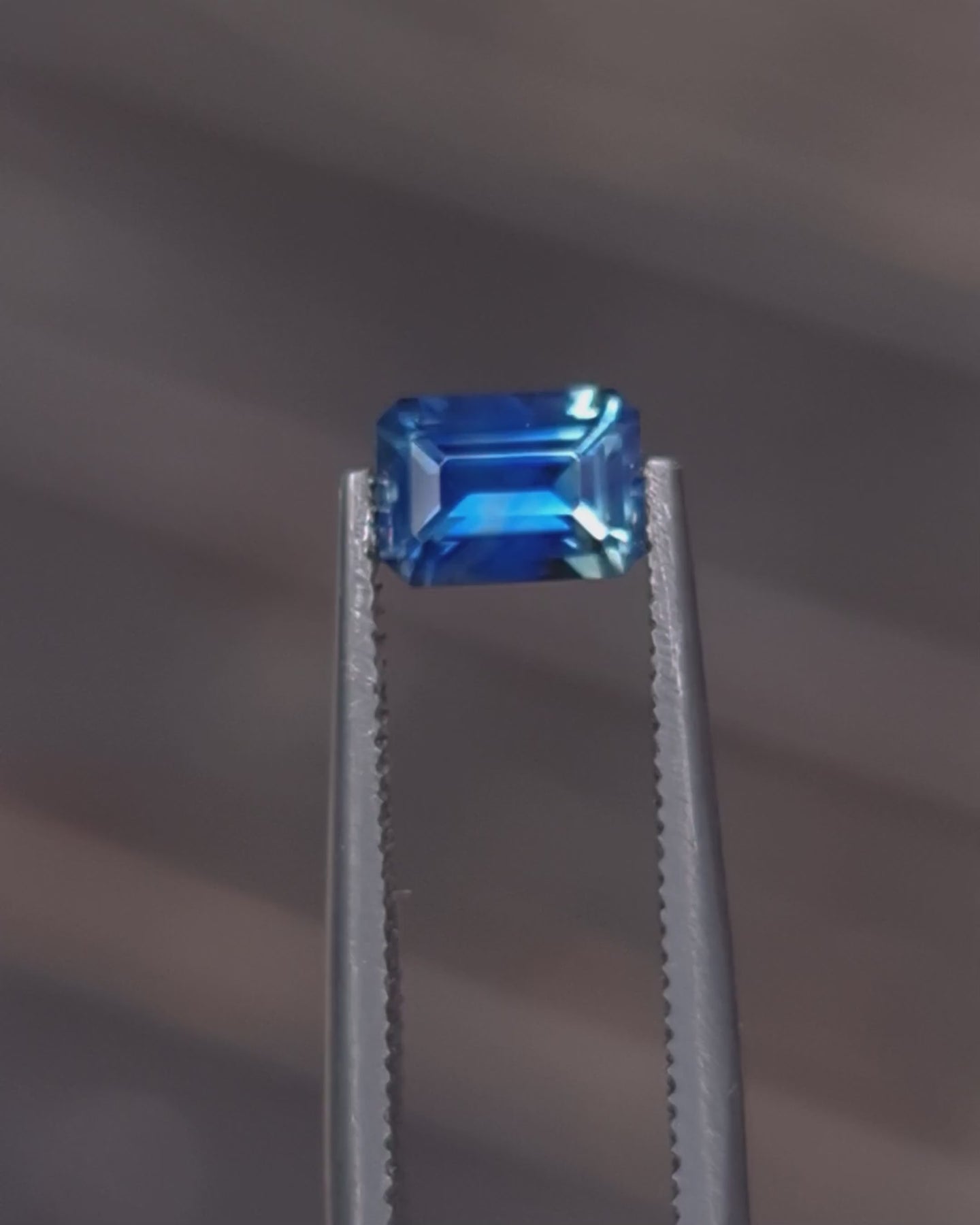
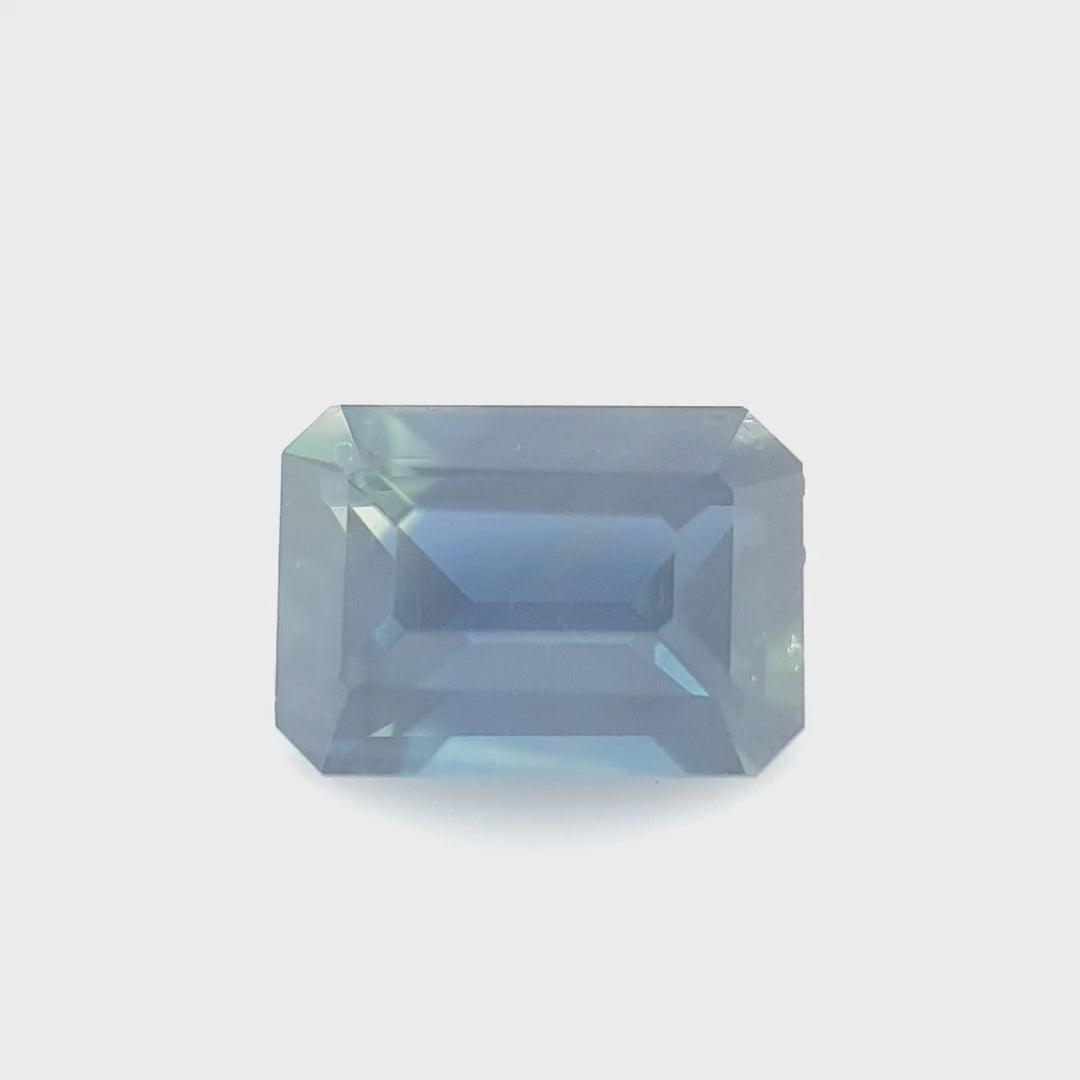
A pretty blue Australian sapphire with an interesting yellow corner.
If you are interested in a custom design more information is available on our Bespoke Design page and a complimentary consultation can be booked via our contact page. We look forward to working with you soon.
If you are interested in a custom design, more information is available on our Bespoke Design page. A complimentary consultation can be booked via our contact page. We look forward to working with you soon.
Verified specifications for this gemstone.
Can a sapphire be used in an engagement ring?
Absolutely. Sapphires are among the most popular alternatives to diamonds for engagement rings, prized for their durability, colour range, and symbolism. Their hardness makes them entirely suitable for daily wear.
Are all sapphires blue?
No. While blue is the most familiar colour, sapphires occur naturally in nearly every colour of the spectrum — green, yellow, pink, peach, teal, parti-coloured, and more. The only exception is red, which is classified as ruby (the same mineral, corundum).
What does "untreated" mean?
An untreated sapphire is one that has not been heated or otherwise enhanced after being mined. The colour and clarity you see is exactly as nature produced it. Untreated stones are rarer and command a premium for their authenticity.
How do I care for a sapphire?
Sapphires are remarkably low-maintenance. Clean with warm water, mild soap, and a soft brush. Avoid harsh chemicals and ultrasonic cleaners if the stone has any significant inclusions. The hardness of sapphire means it resists scratching in everyday wear.
The world’s sapphires can be understood through two broad geological stories. Metamorphic sapphires — from classic sources such as Sri Lanka and Kashmir, and deposits in Southern Madagascar — formed deep within continental crust under immense heat and pressure. These origins are often associated with silky, pastel tones in velvety blues, bright pinks and the rarer purples.
Basalt-related sapphires — from Australia, Thailand, and Northern parts of Madagascar — formed in deep magmatic environments and were carried to the surface by volcanic activity. They are sometimes described as darker or more saturated, but that is only part of the story. Australian sapphires occur in a remarkable range of colours, from bright blues and vivid greens to golden yellows, teals, orange and parti-coloured stones with natural bands of blue, green and yellow. Pink and purple are found rarely, and typically only in small sizes under 0.20ct.
Since 2005, we’ve worked almost exclusively with Australian sapphires, drawing from the Queensland gem fields around Anakie and Rubyvale, the New England district of NSW around Inverell and Glen Innes and when possible, the North East of Tasmania. Australian sapphire mining is typically small-scale and regulated, and our own supply chain is deliberately traceable — we often know both the miner and cutter.
Heat treatment is common across the global sapphire trade and is used to improve colour and clarity. When properly disclosed, we don’t see it as good or bad — simply part of a sapphire’s story. A beautiful heat-treated sapphire is still a beautiful sapphire; in many cases, treatment has revealed colour and brightness that may otherwise have remained hidden.
Some people prefer sapphires with no indications of heat, and we understand the appeal. Fine untreated sapphires, especially bright, lively stones, are rarer and usually more valuable, while others are treasured for the inclusions that reveal their natural character. But rarity is only one part of choosing a gemstone. What matters most is transparency: knowing whether a sapphire has been treated, what that means, and how it affects value.
For us, responsible sapphire sourcing is not about labels or shortcuts; it is about knowing each stone’s origin, treatment, character and value, then sharing that story with clarity and care.
★★★★★We loved our experience with Utopian Creations. They helped us to choose the perfect ring and we couldn't be happier with how its turned out. Ben was so helpful through the whole process and we recommend them to anyone looking for a beautiful piece of jewellery!
Claire BrigidSA, Australia
★★★★★My engagement ring is beyond stunning, I cant wait to create our wedding bands with them.
Corinne RangaVic, Australia
★★★★★These guys are amazing at what they do. They created my beautiful engagement ring, as well as both of our wedding rings. We appreciate the stories behind all of the gems that they use and the hard work they put into all their creations. They are clearly passionate about what they do and I recommend them very highly.
Gemma VineSA, Australia
★★★★★Kept me updated every step of the way, never got annoyed with me with the extreme amount of email I sent and questions I asked. Jess adores the ring and I could not be happier. Thank you again Ben and Utopian Creations
Benjamin NewallNSW, Australia

"Nurturing beauty while reducing harm". Sounds idyllic, but how we do it?


