


Cut by candlelight, for candlelight
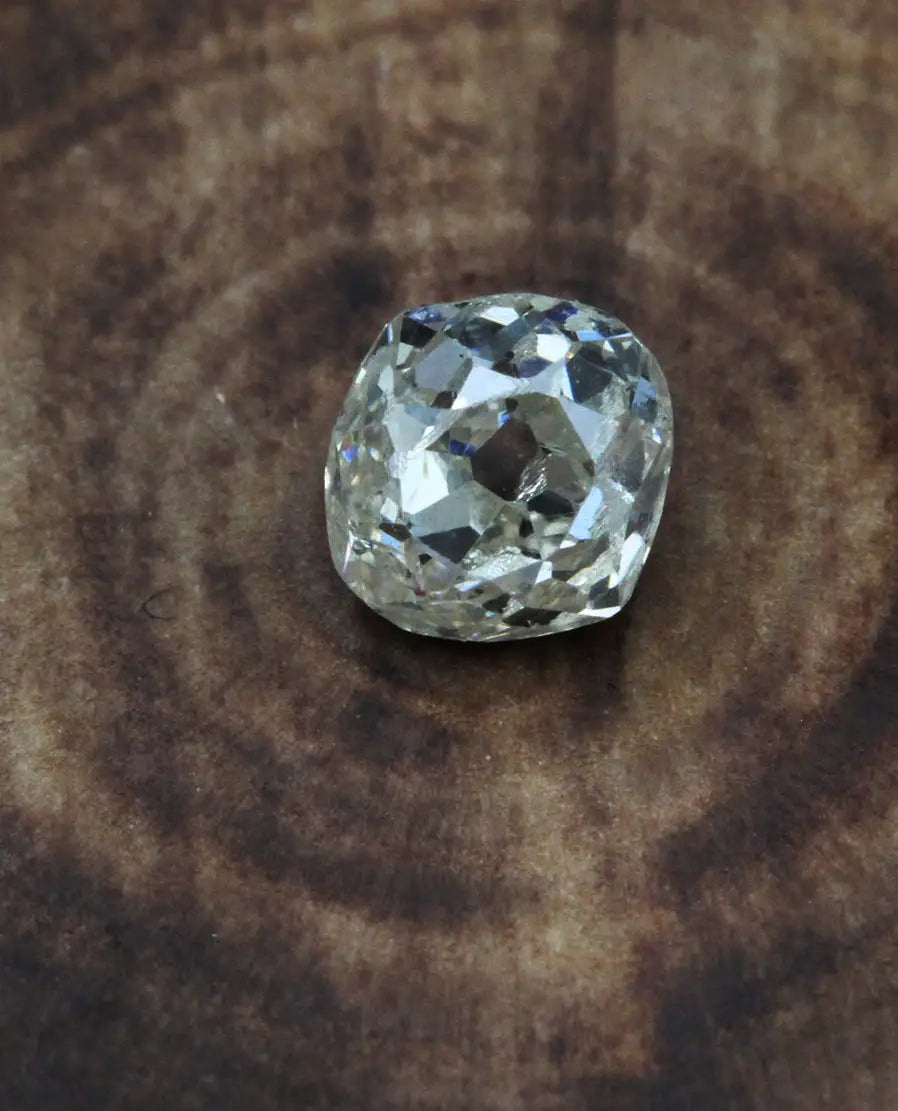
Long before lasers and ideal proportions, diamonds were shaped by hand and by eye, to glow, not to dazzle. An antique diamond is a stone that has already lived a life, and carries the soft fire of the century that cut it.
A flame caught in stone
For most of history, a diamond was cut entirely by hand: rough pressed against a spinning wheel, judged by the cutter's eye alone, often by the light of a candle. There were no machines to enforce perfect symmetry, and no one was trying to. The aim was warmth and fire under the soft, low light people actually lived by.
That is why an antique diamond looks different from a modern one. Where a modern brilliant throws rapid, bright-white sparkle tuned for electric light, an old cut gives broad, slow flashes of colour, a glow closer to firelight than fluorescence. Each was finished by a single pair of hands, so no two are quite alike. To us, that is the whole romance of them.
Six centuries of chasing the light
Every antique cut is a snapshot of what was possible in its moment: the tools of the day, the light of the day, and a cutter's eye trained to coax beauty from a crystal without wasting a grain of it. Here is how the diamond learned to shine.
The earliest faceted diamonds barely altered the stone at all. The point cut simply polished the natural octahedral crystal; the table cut ground its top flat to make a single broad facet. Light was reflected, not yet released.
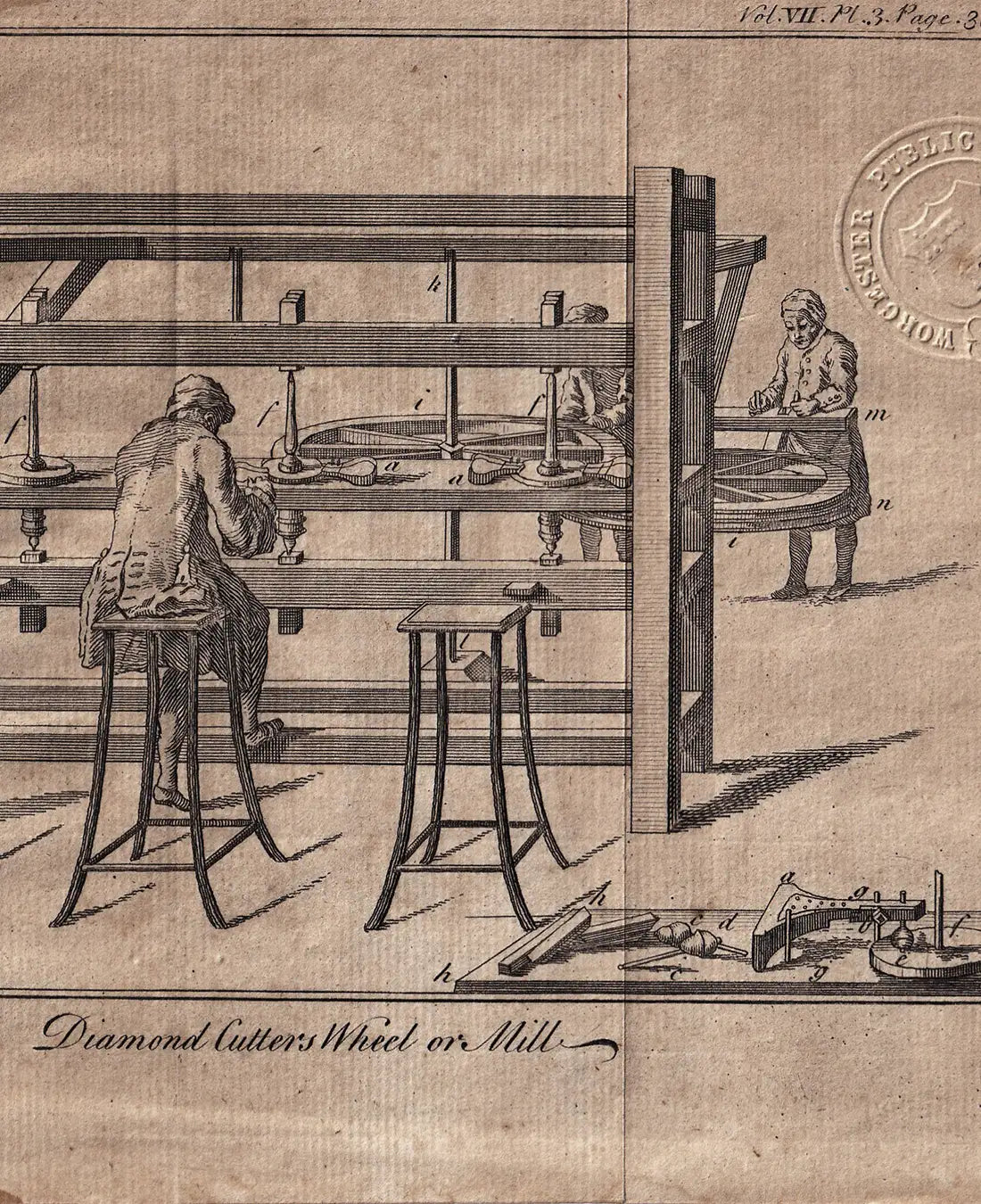
By long tradition, a Bruges cutter named Lodewyk van Berquem is credited with the scaif, a spinning wheel charged with oil and diamond dust. For the first time a diamond could be polished, and faceted, with real precision. Everything that follows begins here.
Flat-backed and domed on top with a crown of triangular facets, the rose cut opened like a budding flower. With only around two dozen facets it never blazed; instead it gave a soft, diffused shimmer made for candlelight. Belgian and Dutch cutters made it their own.
Cutters began adding facets in pursuit of fire. The Mazarin, cut for the French court, is regarded as the first true brilliant; the later Peruzzi added more facets still. The lineage that would lead to every modern round diamond had begun.
The great antique cut. Squarish with softly rounded corners, a high crown, a small table and a large open culet, it followed the shape of the rough to save weight, and was cut by hand to glow under candlelight. No two are uniform, and that is exactly their charm. (When South Africa's mines opened, the earlier Brazilian stones became the 'old mine', and the name stuck.)
As mechanised bruting let cutters round the girdle truly, the old mine gave way to the old european: round in outline but still deep, with a high crown, small table, chunky triangular facets and that telltale open culet. It was the diamond of the Art Deco age, and the direct ancestor of the modern round.
In Boston, master cutter Henry Morse did something radical: he cut for beauty rather than weight, sacrificing precious rough to find a stone's most brilliant form. The transitional cuts that followed bridged the old european and the modern brilliant, inching ever closer to maximum light.
A young Belgian mathematician, Marcel Tolkowsky, calculated the ideal proportions for a round diamond and published them in Diamond Design. The cutter's eye gave way to the equation, electric light replaced the candle, and the modern round brilliant (exacting, dazzling, identical) was born. The age of the antique cut quietly closed.
The antique cuts we love most
These are the old cuts you'll find with us. Each has its own temperament, and because every one was finished by hand, each individual stone has its own as well.
Old Mine Cut
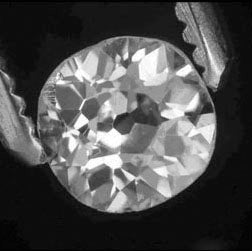
The romantic's diamond. A soft, cushion-like square with rounded corners, a tall crown, a small table and a large open culet. Its big, hand-cut facets throw broad flashes of warm colour rather than rapid white sparkle. Cut to live by candlelight, and gloriously singular. If you want fire and character over machined perfection, start here.
Old European Cut
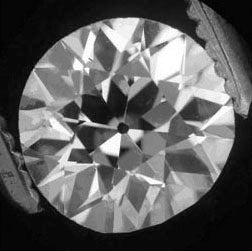
Round in outline but unmistakably old: a high crown, small table, deep pavilion and open culet, with chunky triangular facets that glow softly and turn slowly in the light. The darling of the Art Deco era and the direct forebear of today's round brilliant: antique soul, near-round shape.
Transitional Cut
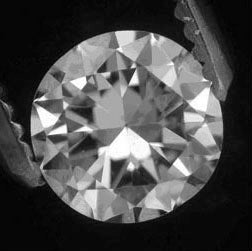
The bridge between two worlds. Rounder and a touch brighter than an old european, yet still warm, still hand-finished, often with a small culet. For the person torn between antique romance and modern sparkle: a little of both, in one stone.
Rose Cut
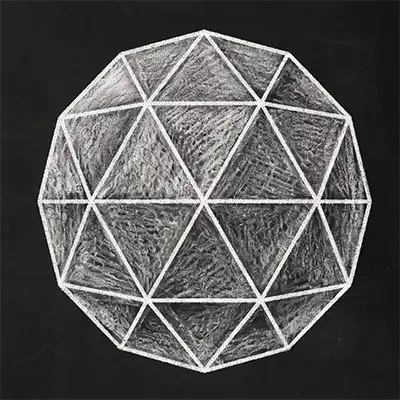
Flat beneath and domed above with a crown of triangular facets, the rose cut has no pavilion, so it glows from within rather than sparkling back at you. Gentle, luminous and quietly unusual, it's breathtaking in a simple bezel, and unlike anything modern.
Reading an old cut
Antique diamonds aren't judged the way modern ones are, and that's a good thing. A few simple tells will help you see what you're looking at, and fall for it.
- The open culet
Look straight down and you'll often see a tiny circle at the very centre, like a little window. That's the open culet, a signature of old cuts, and nothing to be wary of.
- A tall crown, a small table
Old cuts sit high, with a smaller flat top. It's what gives them their depth and that slow, rolling play of colour.
- Fire over flash
Expect broad, coloured flashes (fire) rather than the rapid white scintillation of a modern brilliant. They were made for soft light, and it shows.
- Hand-cut, never identical
Slight asymmetry isn't a fault; it's a fingerprint. Each stone was finished by a single cutter's eye, decades or centuries ago.
- Judged on its own terms
Antique stones aren't held to modern 'ideal' proportions, so we help you read them on their own beauty (by eye, in the light they were made for) rather than a spec sheet.
Modern sparkle, already above ground
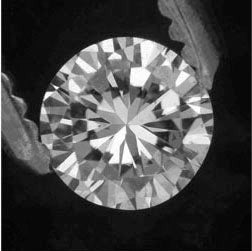
Not every reclaimed diamond is an antique. A vintage diamond, as we use the term, is a previously owned stone with a modern faceting pattern: the crisp, familiar sparkle of a contemporary cut, but already mined, cut and loved once before. Choosing one means no new mining: the same brilliance, with a gentler footprint. If you love a modern look but want a stone with a past, ask us what reclaimed diamonds we have.
Give a diamond a second century
Every antique and vintage diamond we offer is one of a kind, already above the ground, and waiting to be set into something new. We'll help you find the stone, then design the ring that carries it into its next hundred years.
Come and see an old cut by candlelight.