


Antique restoration – Adelaide
A fading craft,
alive at our bench.
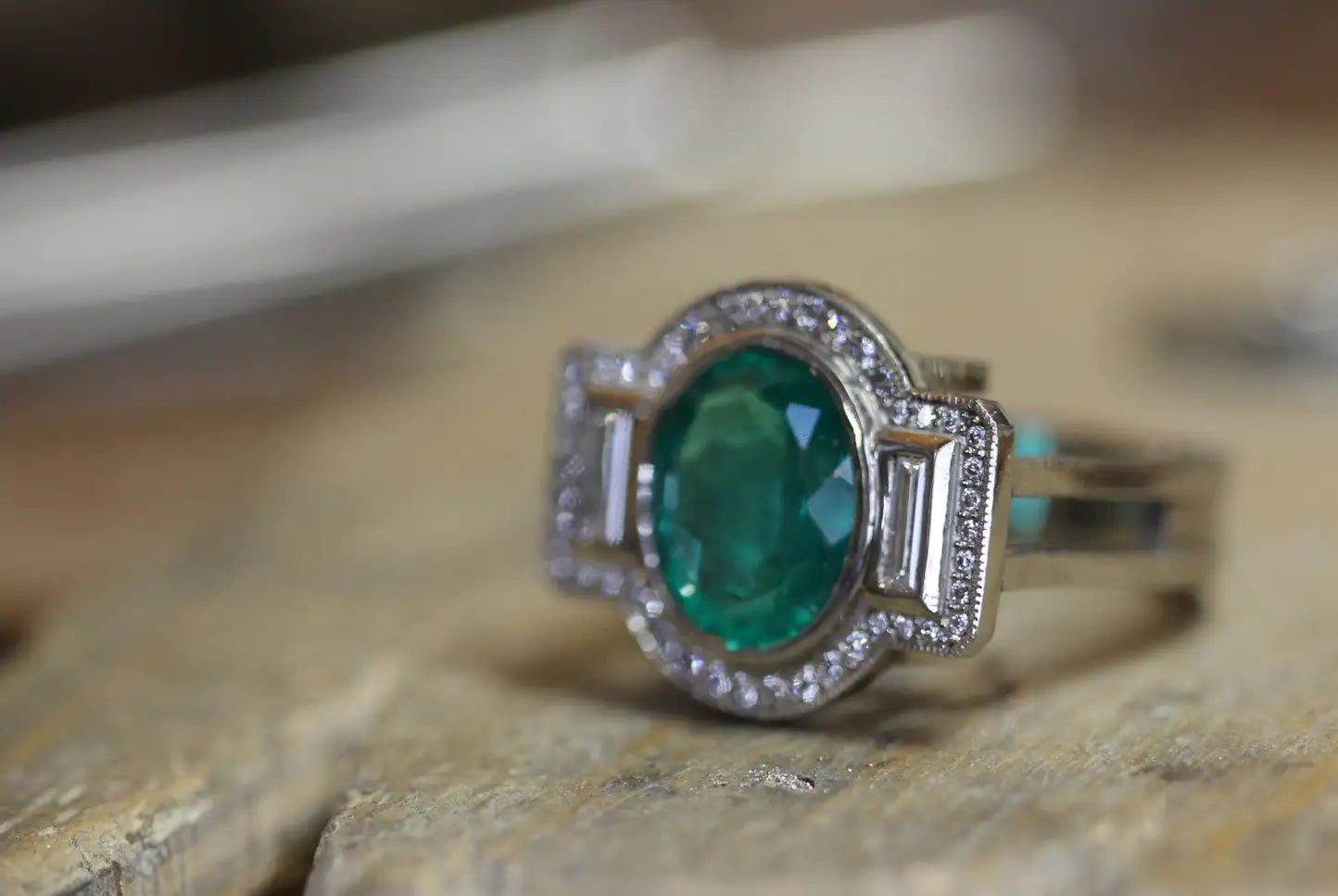
Antique jewellery was made by hand, with techniques most workshops no longer practise, and restoring it properly means working the way its maker did. Our team of jewellers restores antique and heirloom pieces in our Adelaide workshop: honestly, sympathetically, and in keeping with how each piece was originally made.
Why it is different
Restoration is not repair.
A repair makes a piece work again. A restoration brings it back: its character, its construction, the marks of the hands that made it. That distinction matters, because antique jewellery does not forgive shortcuts: modern methods applied carelessly can erase a hundred years of character in an afternoon.
The aim is a piece that looks loved and cared for, not one that looks new.
These skills are handed down at the bench, jeweller to jeweller, and fewer workshops keep them each year. Ours does. It is patient work, done under magnification with fine tools, and it is some of the most satisfying work we do.
The proof
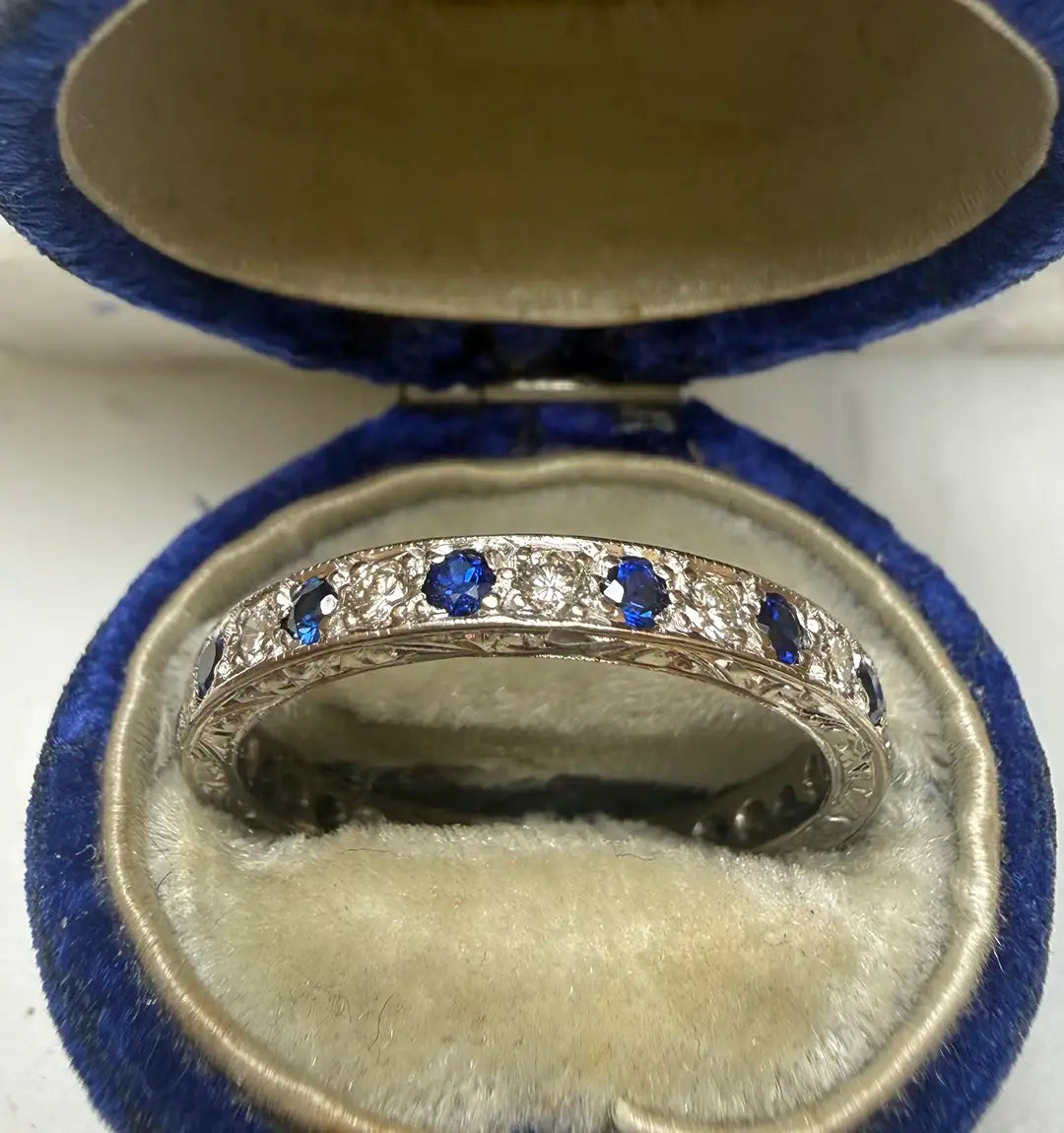
Before, and after.
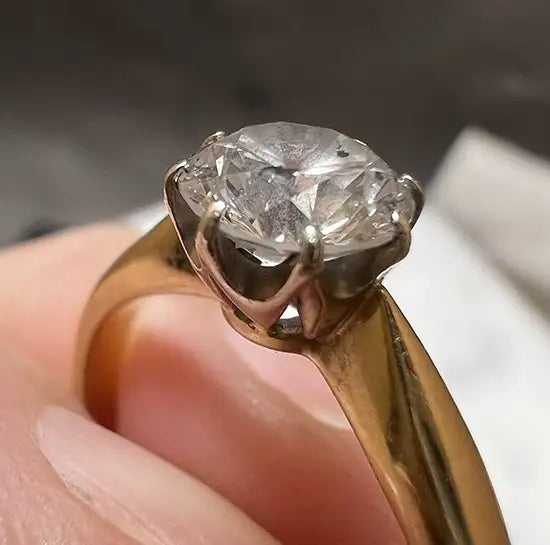
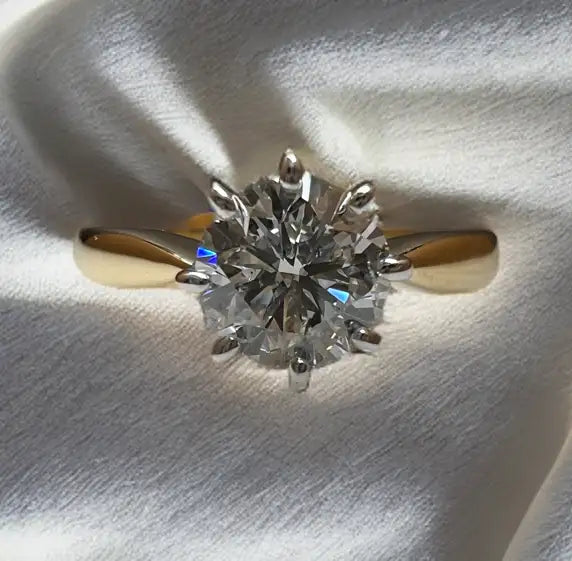
Restoration is easier shown than described.
What restoration involves
Patient work, piece by piece.
- 01Rebuilding worn settings and clawsRebuilt in keeping with the original work, matching the metal, the profile and the finish, not just holding the stone.
- 02Repairing period metalworkFiligree, milgrain, engraving and hand-pierced work repaired with the fine tools and techniques they were made with.
- 03Sourcing sympathetic stonesWhen a stone is missing, we source one that belongs: old cuts matched to old cuts, colour and proportion true to the era.
- 04Conserving characterKnowing what to leave alone is half the skill. Patina, wear and maker’s marks are part of the piece. We conserve them rather than polish history away.
- 05Structural honestyWhere a piece needs new metal to survive being worn, we say so, and do it in a way that respects what is original.
The straight version
What we will always tell you first.
Restoration has judgement calls in it, and you should be part of them. Old stones can be fragile: some carry a century of knocks, and working near them has real risk we will assess and explain before touching anything. Some damage should be stabilised rather than erased, because erasing it would cost the piece its character. And occasionally the kindest thing is to do less than you came in asking for. We would rather return a piece with its story intact than hand back something that looks like it was made last week.
Worth valuing: before and after.
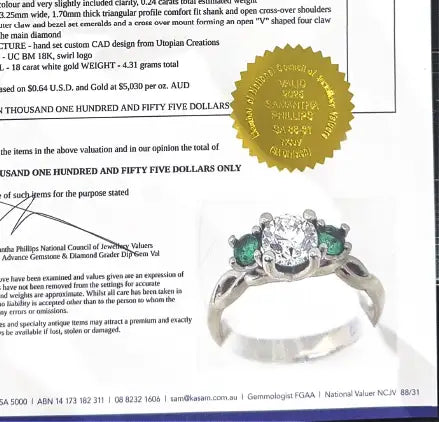
For antique pieces we will often recommend an independent valuation before restoration begins, and an updated one after the work is done. The first records exactly what you have. The second means your insurance reflects the piece as it is now, because a restored piece is often worth considerably more to replace, and an old valuation can leave you under-covered without knowing it.
The first step
Bring the piece, and its story.
Every restoration starts with a careful look and an honest conversation about what the piece needs, what it deserves, and what we recommend. No obligation.