


Our Approach to Materials and Making
We have been making fine jewellery in Adelaide since 2005. Over those twenty years we have changed nearly every part of how we work — what we source, who we buy from, how the workshop runs, even what the boxes are made of. This page describes what we currently do, where we have specific claims to make, and where we don't.
Australian-mined and recycled, in measured proportion
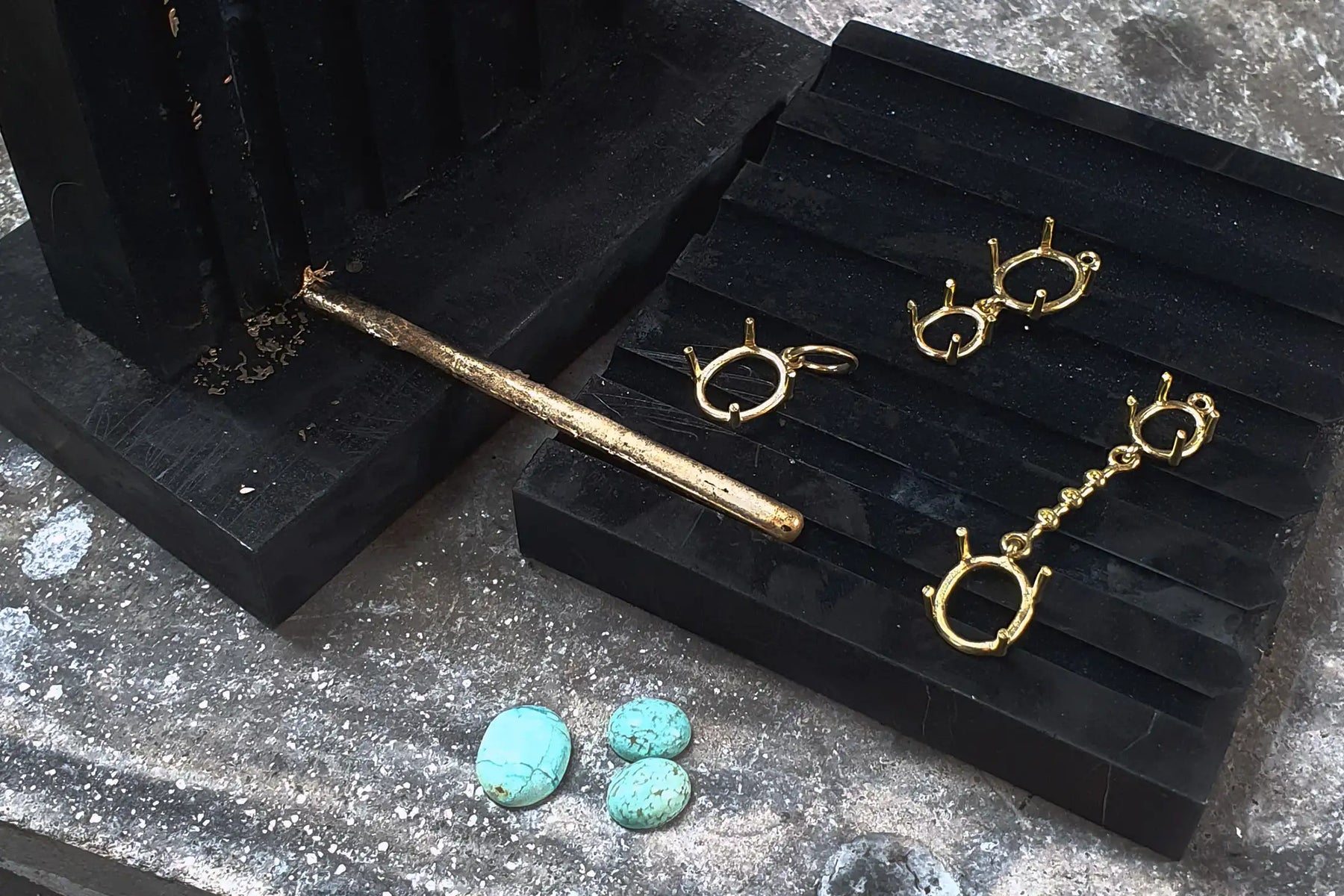
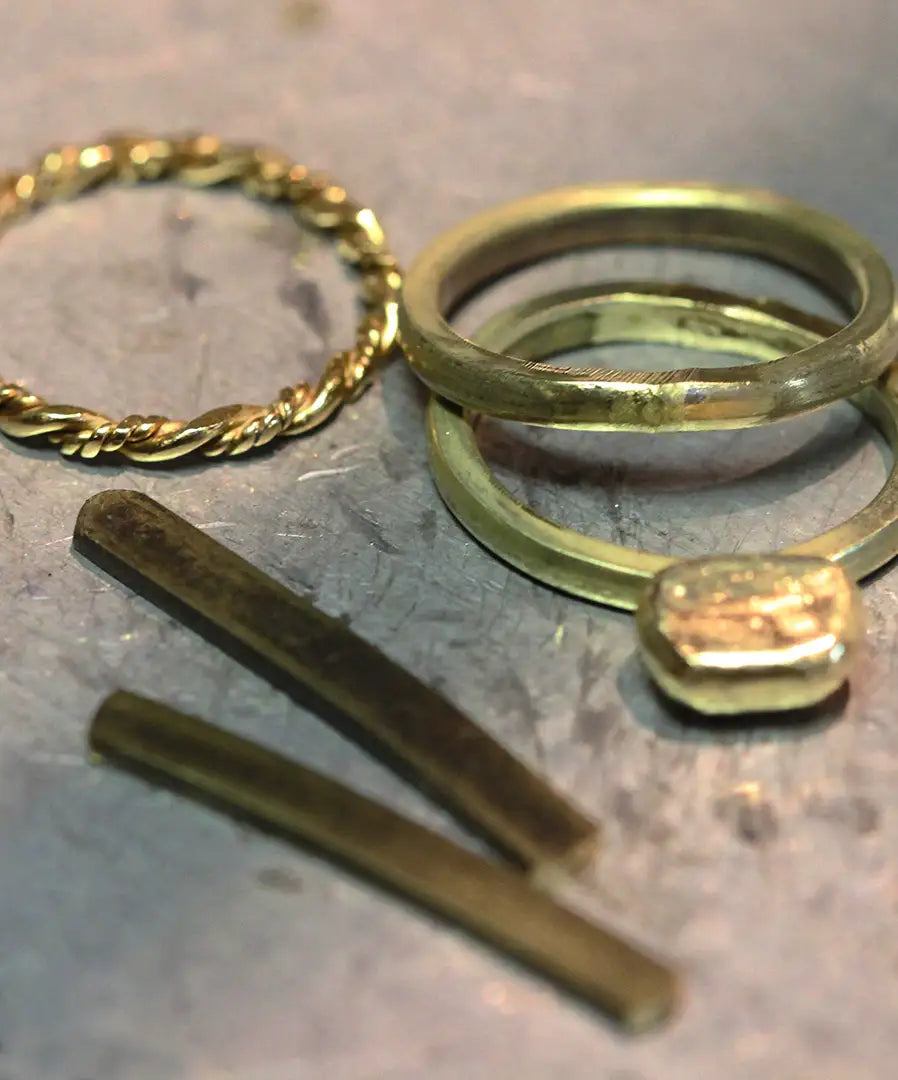
The standard gold we use is certified 100% Australian-mined gold from a supplier who is a member of the Responsible Jewellery Council. We also handmake with recycled gold from refiners with verified chains of custody, and other traceable gold sources from around the world. We have used Fairtrade Gold from Peru and gold fossicked by a groom. We started, in 2005, using only recycled metal — at the time, sustainable mining options were limited, and self-refining recycled material that itself could be recycled was, to our eyes, the most sustainable option we could make.
Twenty years on, the picture has changed. Australian gold from RJC-certified sources has become a credible option, and we use it alongside recycled. Australia's mining and labour laws, while imperfect, are among the strongest in the world. We follow the work of organisations like Better Without Mercury and the CSIRO, both of which are pushing for cleaner mining practices.
Direct relationships around the world
Coloured stones are where supply chains get long and provenance gets murky. Our response has been to work directly with cutters, dealers and small-scale miners, many we know personally.
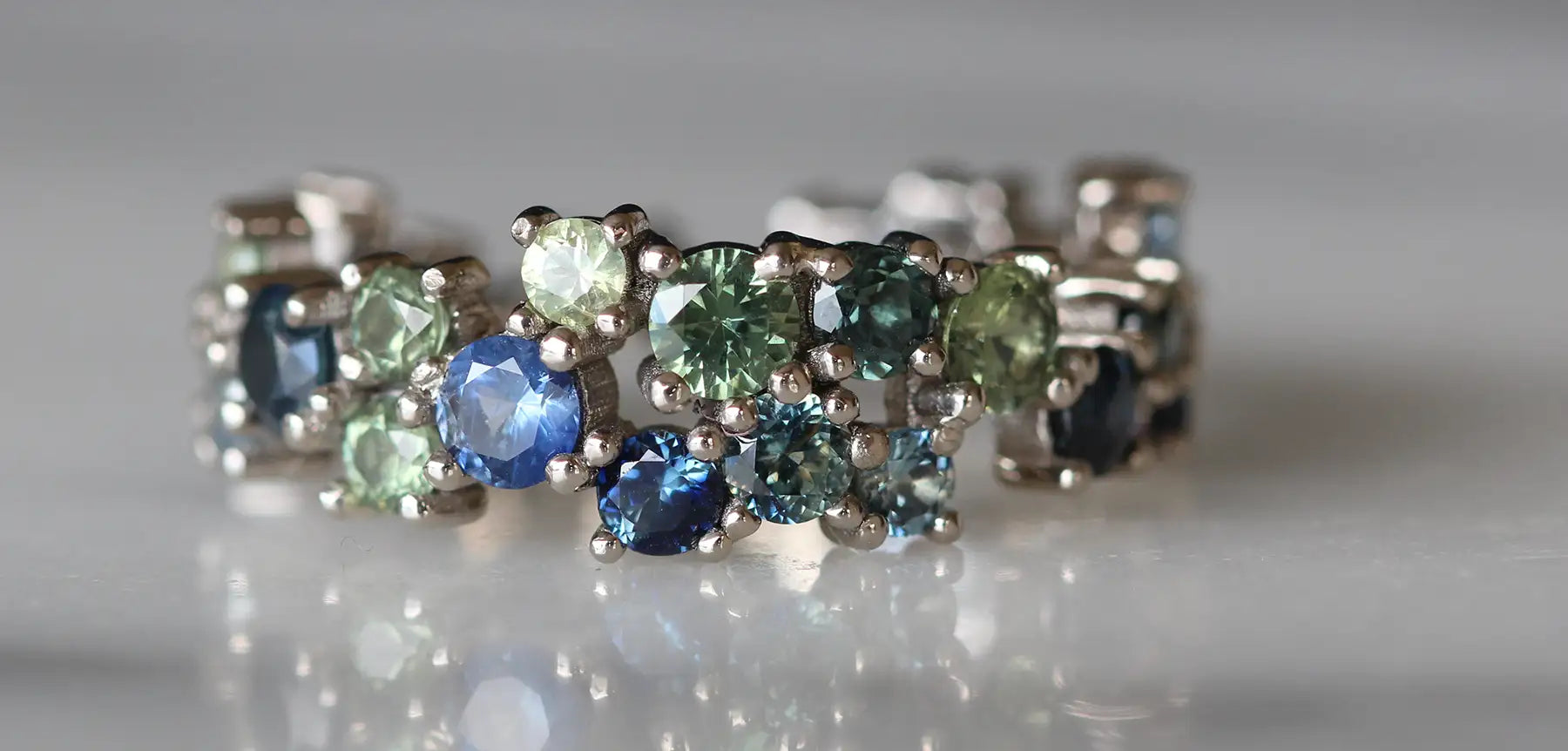 Australian sapphires, recycled white gold, full eternity
Some countries you may expect are missing. There are many reasons, the coloured gem industry is highly fragmented.
We work with both natural and lab-grown, with no preference — the right answer for any given client depends on what matters to them.
Small workshop changes that compound over time
We made the change to vegetable oil-based polishing compounds two decades ago. Most of the changes are small. Together, they add up.
Done by experienced Australian casting houses certified by the Responsible Jewellery Council. Cast jewellery is generally more affordable than fully hand-fabricated equivalents, but is not always lower quality. The casting procedures used are world-class. — both carry our Lifetime Manufacturing Warranty.
The acid bath in any jewellery workshop is a basic tool for cleaning during manufacture. We use citric acid rather than the stronger commercial acids most workshops default to. We neutralise and dry the spent acid before recycling it, both to reduce water contamination and to recover every bit of precious metal we can.
Polishing is constant in jewellery work, and standard polishing compounds are animal-derived. We use a vegetable-based polishing compound and a mix of standard cotton polishing wheels and reusable, hand-cut organic cotton mops. Little changes.
A basic discipline — any jeweller not recycling their bench sweepings is not running a viable business. What matters is the refining standard at the next stage, both for the quality of the extracted metals and for the air quality emitted. We work with ABC refineries.
Functional rather than photogenic. Repurposed office desks, sensible benches, it has a comfortable, homely feel, but we think a workbench in the lounge room sounds completely reasonable. (Our founder Ben did set up a small workshop in his lounge when living in Melbourne)
The Adelaide shop and workshop run on 100% accredited GreenPower through Origin Energy. Our separate admin and design studio runs on a mix of rooftop solar and 100% accredited green power.
The wider choices around power, packaging and place
A small, steady contribution
We plant 20 trees a month — 240 a year — through One Tree Planted's Australian reforestation programme. Several thousand trees so far over the life of the partnership. A small, steady contribution rather than a campaign.
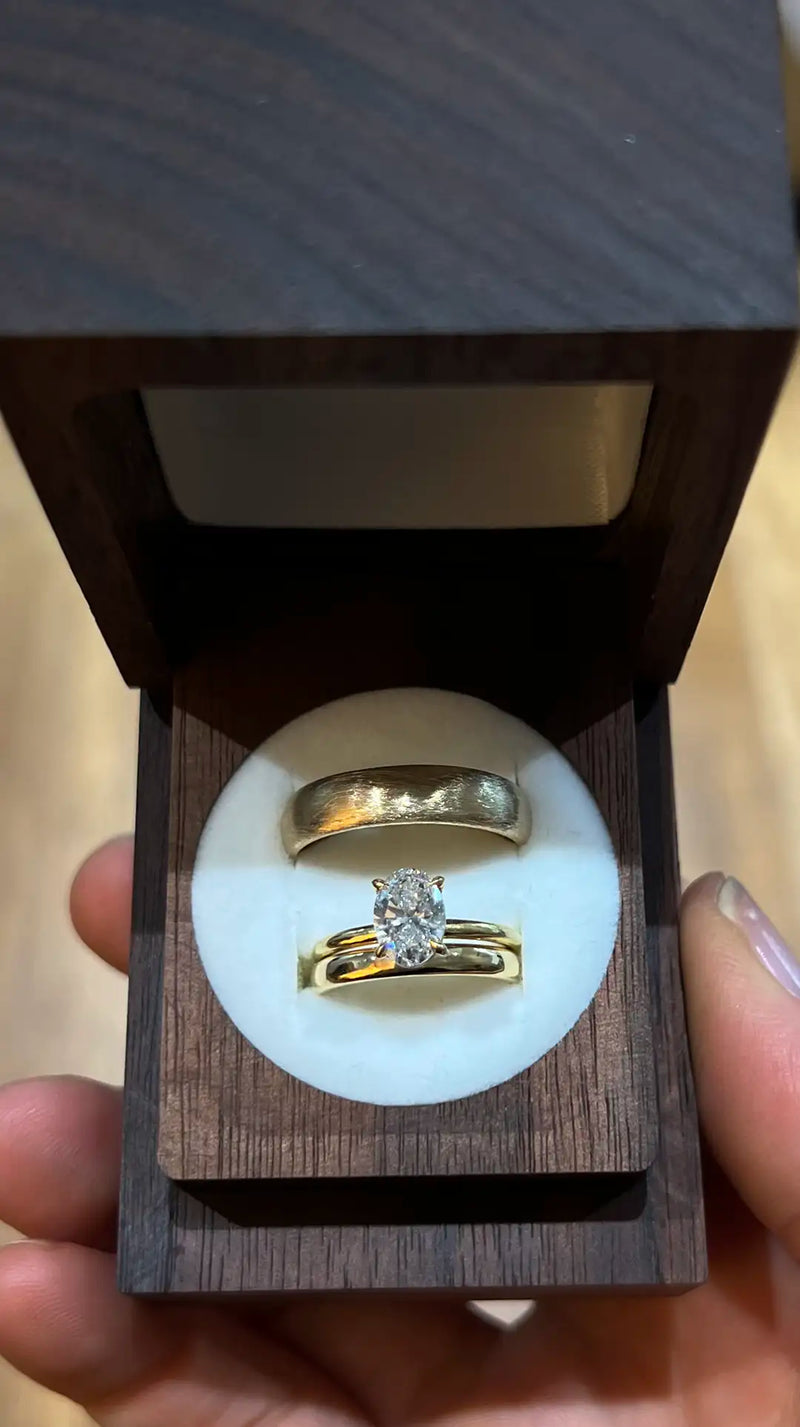
FSC timber, biodegradable post
Our jewellery boxes are FSC-certified Australian timber, handmade by Give Packaging. The outer carton is recycled card. We include a complimentary cleaning brush with bamboo handle. Outgoing post packaged in biodegradable sleeves via Australia Post Express.
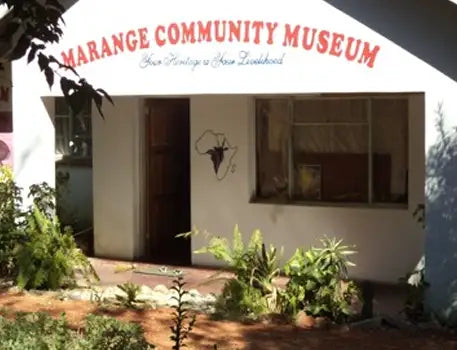
Zimbabwe, 2013–2016
We made several small contributions through the Jeweltree Foundation — a Netherlands-based organisation, now closed — supporting the establishment and early operations of the Marange Community Museum in eastern Zimbabwe. The museum was a community-led initiative to organise local chieftainships and advocate for fairer outcomes from diamond mining on their ancestral land.
Honest claims are stronger than perfect-sounding ones
We are a small studio. We cannot audit the global jewellery supply chain. We cannot always guarantee that a stone has never passed through hands we would prefer it hadn't. What we can do is buy from people as close to the source as possible, ask questions, document what we find, and pass the information to you. This way you can make an educated final choice. If there is a gemstone or material you are interested in but have a different source in mind please let us know. We're more than happy to investigate, learning about gems and jewellery is what we live for.
Our internal sourcing guidelines have, at times, limited what we offer. They have not limited the work we produce — they have kept us from materials that cause harm we cannot defend.
We believe in the science of human-induced climate change. We have always used renewable power where we could control the choice, and we prefer materials with lower carbon footprints where the comparison is honest. We don't pretend any single jewellery purchase will move the climate needle. We do think the cumulative weight of small, deliberate choices — by businesses, by customers, by anyone with the option — is most of what actually changes anything.
If something on this page raises a question, write to us. We would rather have the conversation than dodge it.

Custom Design
Interested in a custom engagement ring or a heirloom to signify a special birthday?