


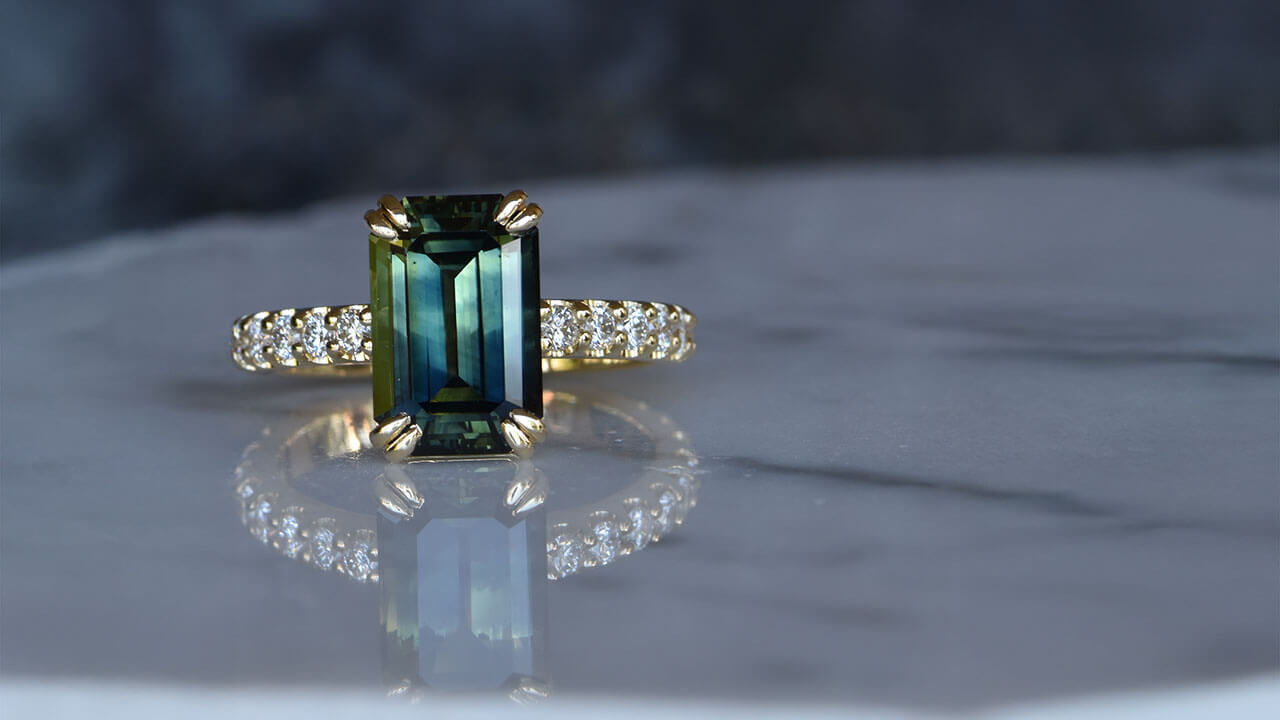
Australian sapphire
Iron-rich, full-spectrum, and unlike sapphire from anywhere else on earth. A close look at what Australian sapphires actually are, their chemistry, their colours, their quirks, and the famous stones they've produced.
Not better or worse, genuinely different
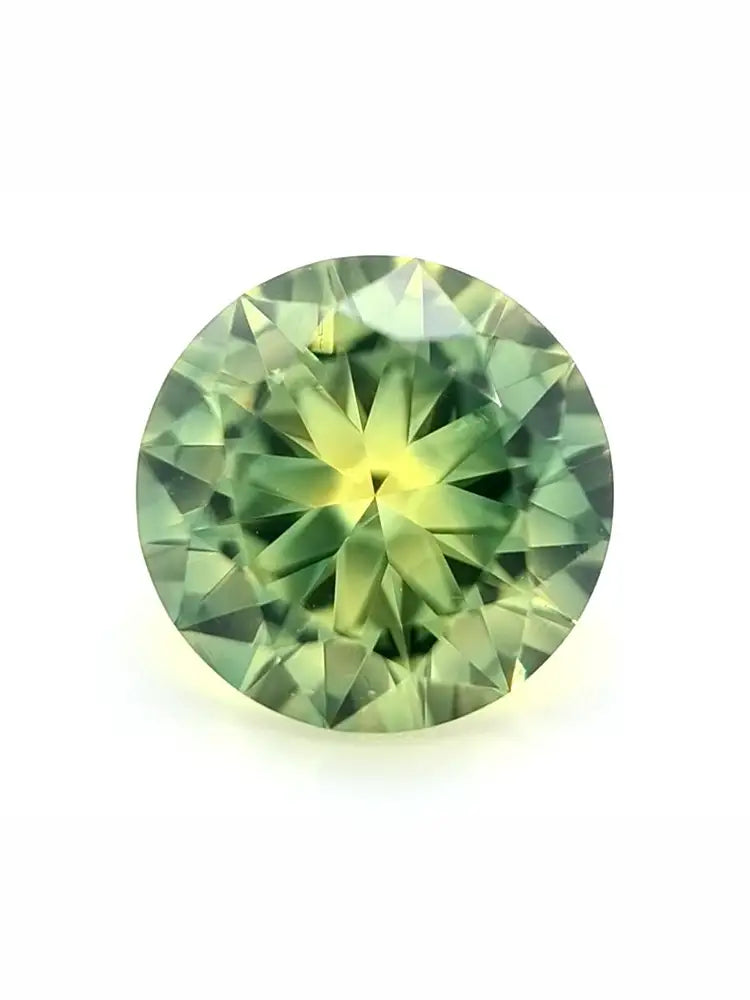
Australian sapphires are chemically the same mineral as sapphire from Sri Lanka, Madagascar or Kashmir, but they carry markedly more iron, and that single difference shapes everything about them. It gives them their depth, their distinctive teals and greens and golden yellows, and the spectacular parti-colours Australia is famous for. For a long time, that iron worked against them: the darkest stones tarnished the reputation of Australian sapphires, with bright stones often being marketed as Thai origin. Today, we better understand the varied beauty of Australian sapphires, and their unique characteristics are exactly what people seek out.
There's a second thing that sets them apart, and it isn't gemmological, it's provenance. Australian sapphire can be traced, often to a single field or a single family's lease. For us, that means we can tell you not just that a stone is Australian, but where in Australia it came from and whose hands pulled it out of the wash. That's vanishingly rare in the sapphire world.
Aluminium oxide, and a pinch of iron
Sapphire is corundum, crystalline aluminium oxide (Al₂O₃), the same mineral as ruby, and second only to diamond in hardness at 9 on the Mohs scale. Pure corundum is colourless. Every colour you see comes from trace elements that slip into the crystal as it grows.
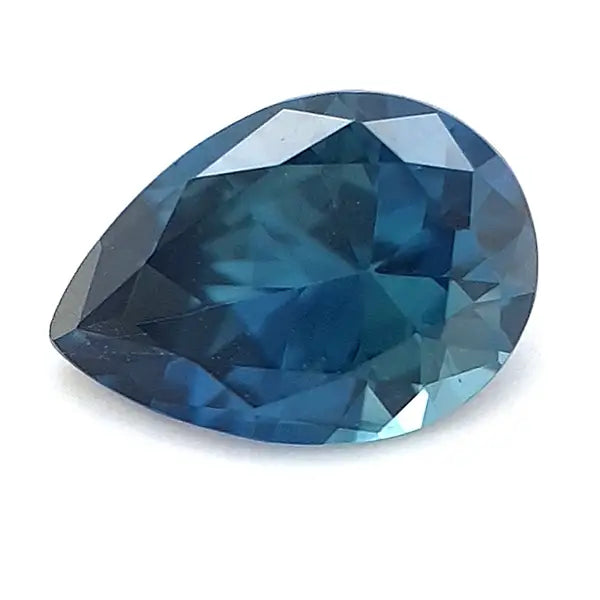
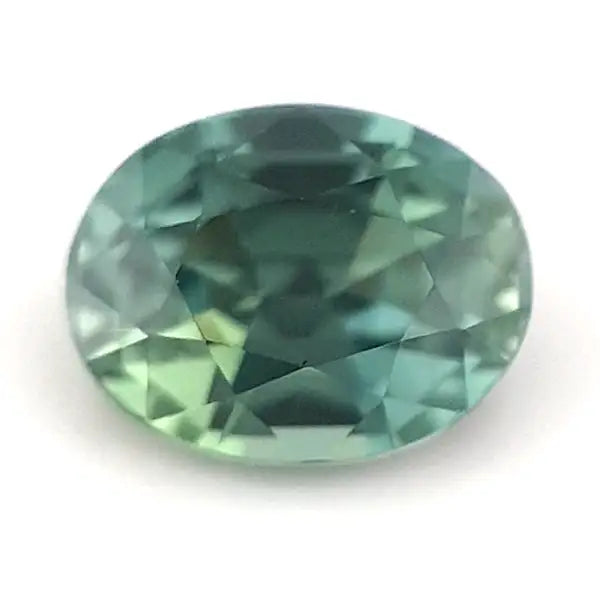
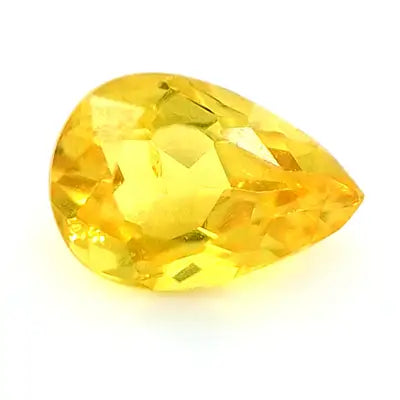
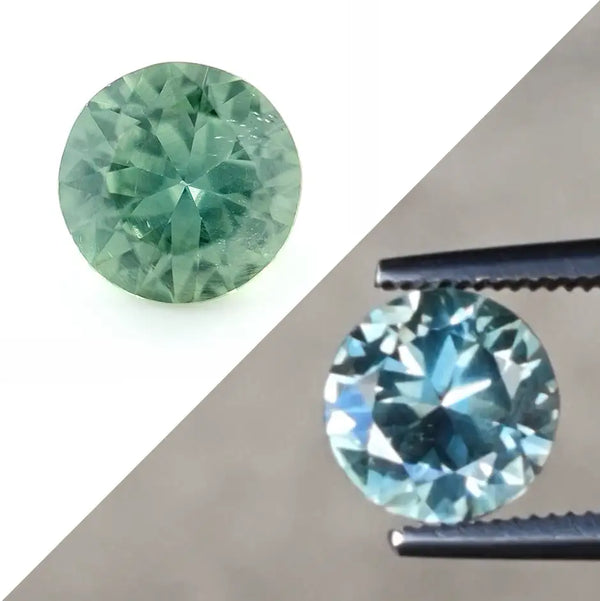
In Australian sapphire, the dominant trace elements are iron and titanium. Iron-titanium pairs produce blue; iron alone leans the stone toward green and yellow. Because Australian sapphire forms in iron-rich basaltic conditions, it carries more iron than most other sources, which is why our blues run deep and teal, our yellows are golden, and parti-colours are common rather than rare.
Older than the volcanoes that delivered them
Almost everything unusual about an Australian sapphire, its iron, its colours, its parti bands, traces back to how and where it formed, deep in the earth, long before it reached the surface.
Despite the popular image of gems crystallising inside a volcano, an Australian sapphire never grew in the basalt it's found near. It formed far deeper, around the boundary between the Earth's crust and mantle, tens of kilometres down, growing slowly from a pocket of aluminium-rich melt. The basalt that carried it upward, much later, was simply the lift to the surface. Geologists call stones like these xenocrysts: 'foreign crystals', passengers in a magma that was never their own.
That ride happened relatively recently in geological terms. The volcanoes of eastern Australia erupted through the Cenozoic, the basalts around the Queensland gemfields date back tens of millions of years, tearing sapphire crystals from the deep crust and scattering them across the landscape. Over the eons since, those volcanoes weathered away, freeing the immensely hard sapphires to gather in ancient creek beds and buried channels: the wash that miners work today.
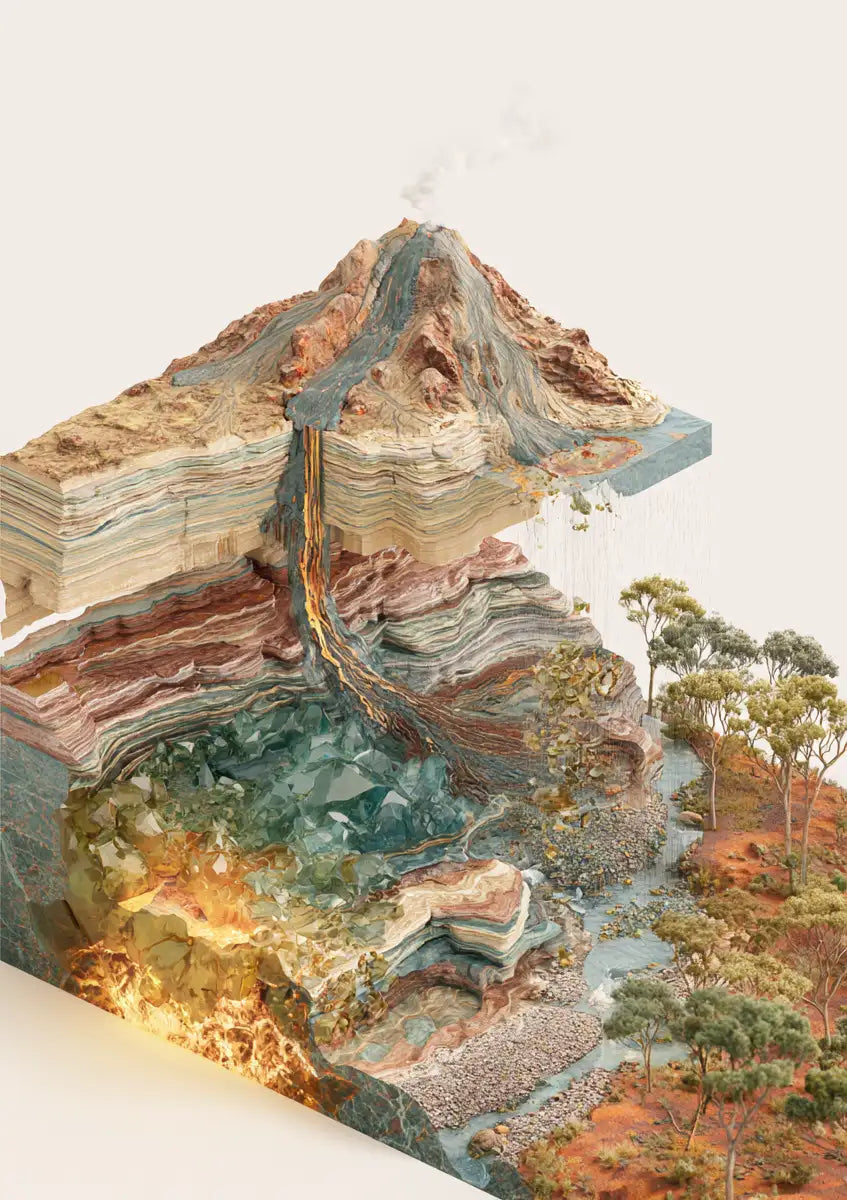
Born deep
Crystallises near the crust-mantle boundary from aluminium-rich melt, tens of millions of years ago.
Carried up
A Cenozoic basalt eruption tears it loose and lifts it to the surface as a passenger crystal.
Freed by weathering
The volcanic rock slowly erodes away, releasing the durable sapphire into creek beds and buried leads.
Found & set
Recovered from the wash, precision-cut, and set into a piece you can wear.
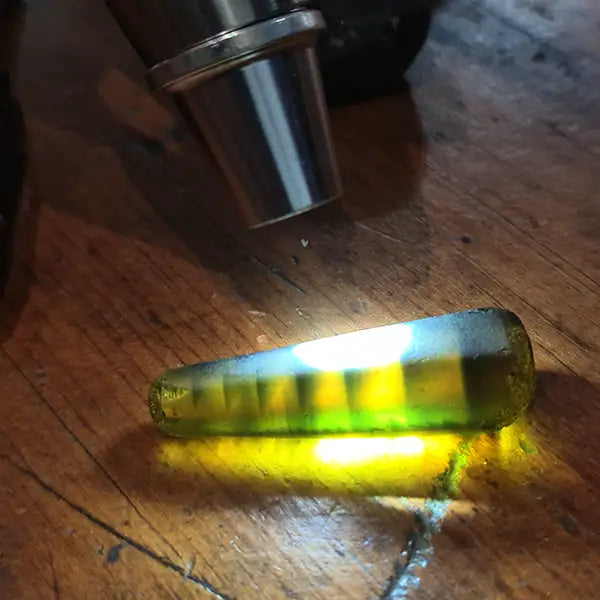
Why one stone can hold many colours
Every colour in a sapphire comes from a trace of iron and titanium caught in its lattice. Iron paired with titanium reads blue; iron alone, in the right state, gives golden yellow and green. As the crystal grew, the chemistry around it didn't stay still, so each new layer locked in whatever was available at that moment. Those frozen-in layers are exactly what you see as a parti sapphire's bands, or the bullseye of a Pharaoh's Eye.
What changed the chemistry mid-growth? The leading explanation is a shift in conditions, a fresh pulse of magma, or a change in how oxidising the surroundings were, that flipped the iron from its 'yellow' state into the iron-and-titanium pairing that reads blue. A yellow core wrapped in a clean blue rim, the Pharaoh's Eye, most likely records exactly such a moment, captured forever because corundum is far too stable to ever blur its layers back together.
A parti sapphire is a chemical diary, each band a record of the day it formed.
Every colour but red
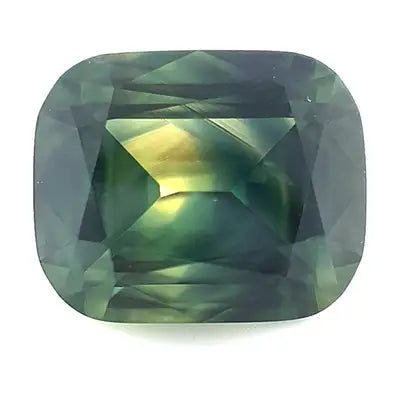
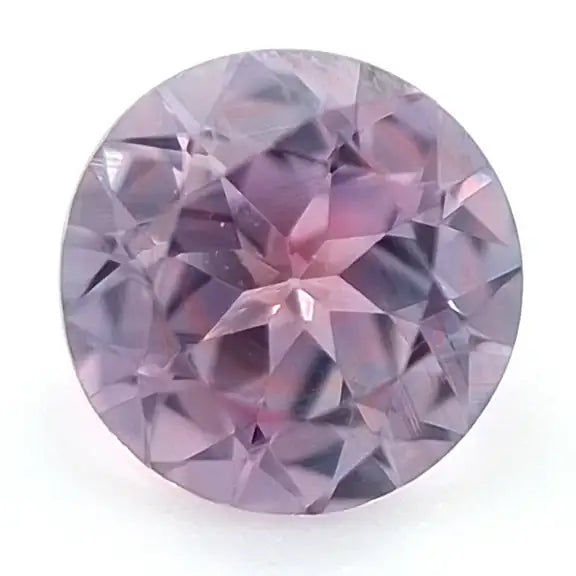
Sapphire occurs in every colour of corundum except red (red corundum is ruby). Australia produces an unusually wide range, here are the colours you'll actually see from our fields.

Parti sapphires: more than one colour, one stone
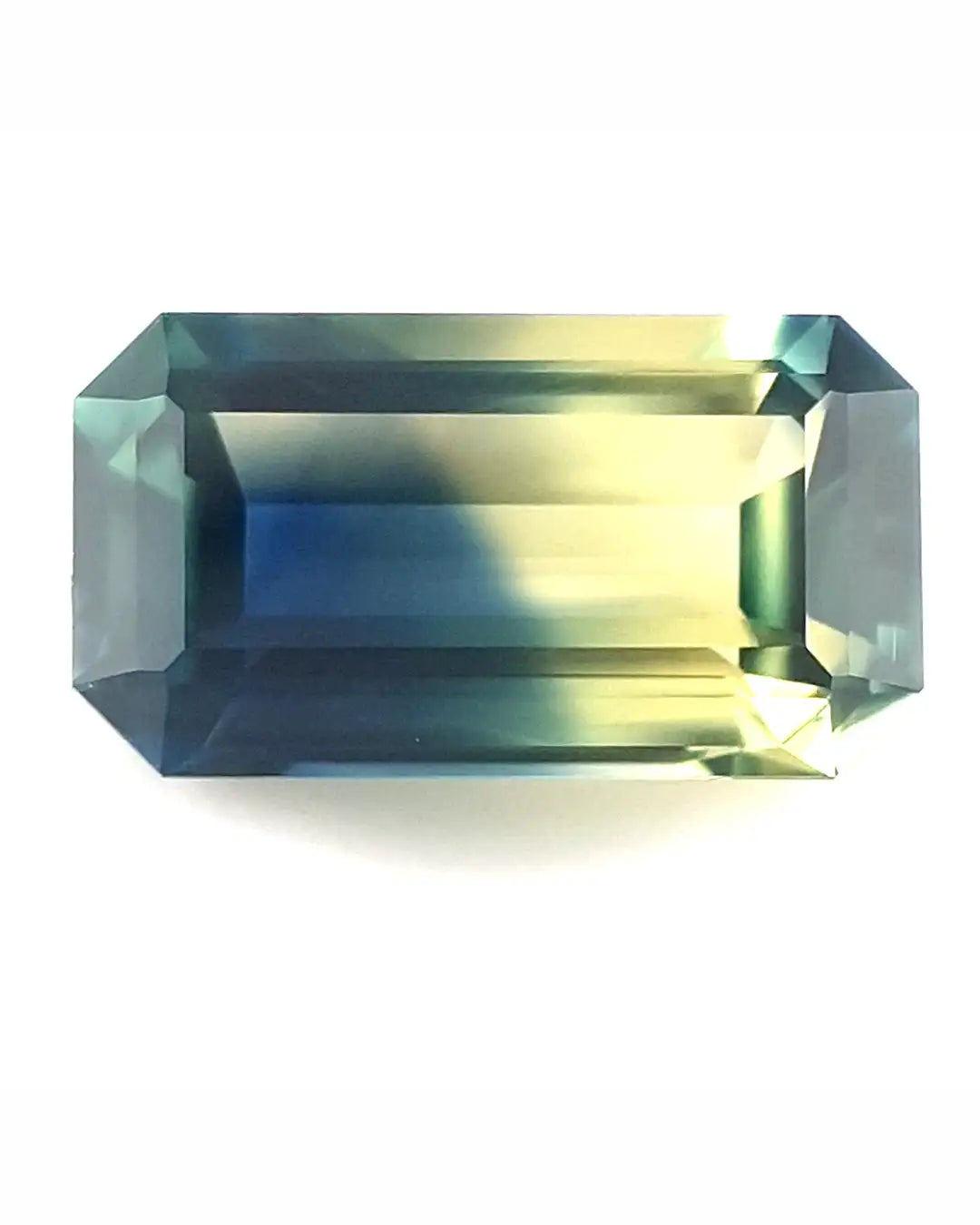
A parti sapphire shows two (bicolour) or more distinct colours within a single stone, most often blue, green and golden yellow, divided in zones or bands rather than blended. They form because the crystal's chemistry shifted as it grew, laying down zones with slightly different trace-element content. No two are alike, and no facet arrangement can be planned in advance, the cutter has to read each stone and decide how to frame its colours.
Australia, and Queensland especially, is the world's great source of parti sapphire. They were once treated as oddities; now they're among the most sought-after stones we sell, prized for being genuinely one-of-a-kind. Many people also love that two colours meeting in one stone can stand for two people coming together, which makes them quietly perfect for an engagement ring.
A parti sapphire is the closest thing in nature to a landscape held inside a stone.
The Pharaoh's Eye
A Pharaoh's Eye is a special kind of parti sapphire, found almost exclusively in Australia: a sharply defined golden or yellow core sitting at the very centre of a blue or green stone, like an eye. It happens when a yellow sapphire begins to form and a later growth phase wraps blue or green corundum cleanly around it, a coincidence of geology that produces a near-perfect bullseye.
The name comes from the resemblance to the Eye of Horus, the ancient Egyptian symbol of protection. They're genuinely rare, a good one needs the colours sharply separated and the eye well-centred, and a skilled cutter will orient the stone to place that eye dead centre, face-up. When it works, the effect is mesmerising.
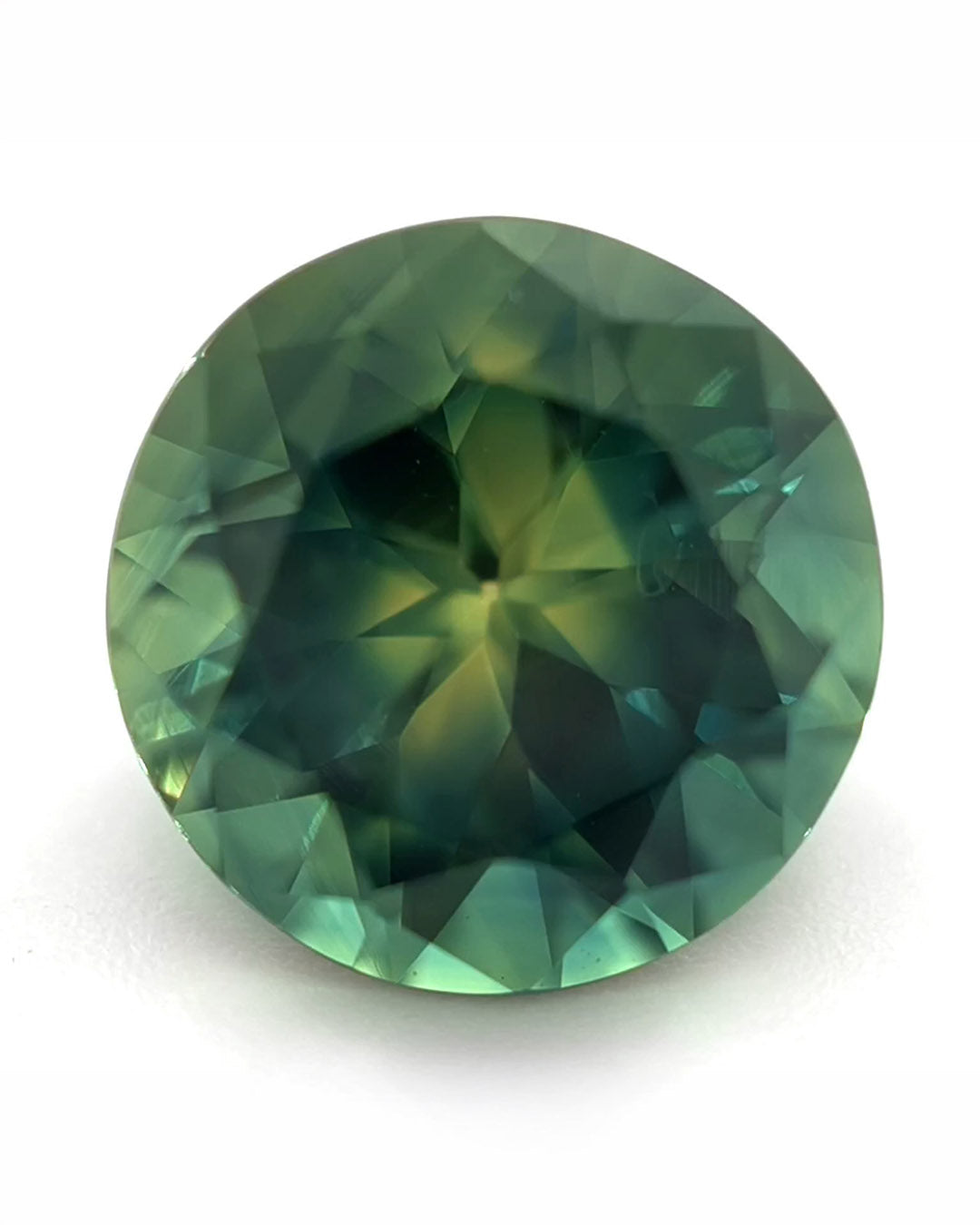
Reading the inclusions
Inclusions are nature's fingerprints, internal features that form as the crystal grows. Far from being flaws, the right inclusions confirm a sapphire is natural and can even point to where it formed. Here are the ones you'll meet most often in Australian stones.
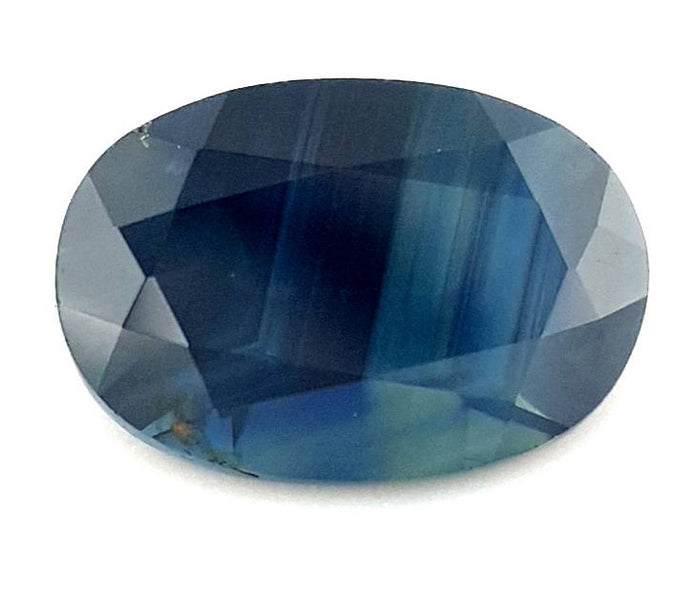
Silk (rutile needles)
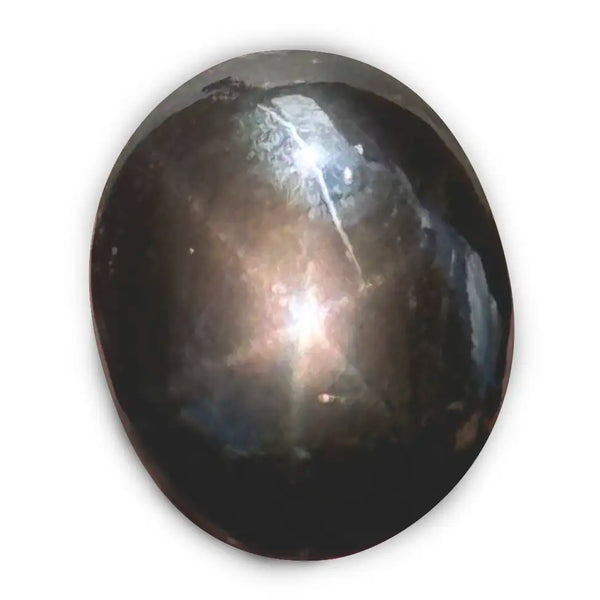
Fine needle-like rutile crystals that can cloud a stone or, when dense and aligned, create a star. Heat treatment is often used to dissolve unwanted silk. It can also be beautiful.
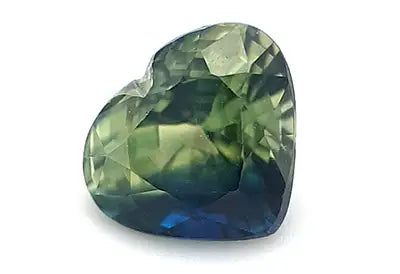
Colour zoning
Bands or patches of differing colour from shifts in trace elements during growth, the very thing that creates parti sapphires and the Pharaoh's Eye.

Crystal inclusions
Small mineral crystals trapped as the sapphire grew, zircon, spinel, feldspar and others. In basaltic Australian stones these help confirm natural origin and even the source.
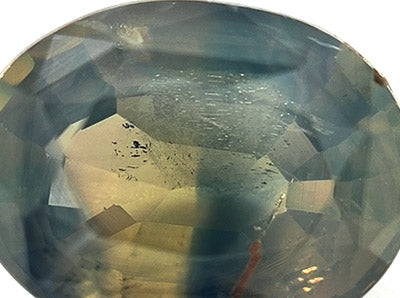
Healed fractures ('fingerprints')
Networks of tiny fluid-filled channels that look like a fingerprint, where the crystal healed a fracture during growth.
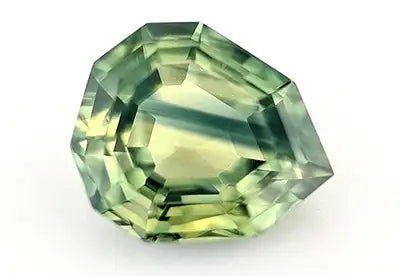
Growth / straight banding
Straight, angular growth lines following the crystal's hexagonal structure, a hallmark of natural corundum, unlike the curved bands of synthetics.
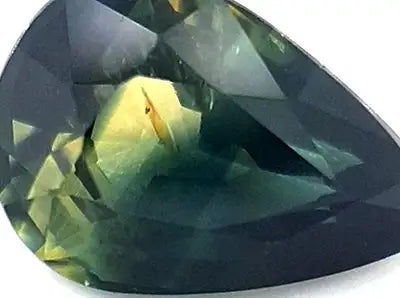
Iron staining
Limonite or iron-oxide staining along old fractures, reflecting the iron-rich basaltic ground Australian sapphire forms in.
Why so many sapphires are heated
Heat treatment is the controlled heating of a natural sapphire to high temperatures, often well above 1,000°C, to improve its colour and clarity. It's the oldest and most common sapphire treatment, used on the majority of sapphires in the market worldwide, and it's permanent and stable. Crucially, a heated sapphire is still a natural sapphire: nothing is added, the heat simply finishes what the earth started.
Australian sapphire has a particular relationship with heat. Much of the rough is so iron-rich that it reads very dark, historically, the inkiest blues were heated in an oxygen-rich atmosphere specifically to lighten and brighten them. Heat can also dissolve the fine 'silk' that clouds a stone, and even out patchy colour zoning. There's a well-known piece of history here: through the 1960s and 70s, large volumes of Australian rough were shipped to dealers in London and Thailand, heated and cut, and quietly sold on, often without Australia ever being named as the origin.
Our position is simple: we disclose treatment honestly, every time. Heated stones offer beautiful, stable colour at a fair price; unheated stones of fine natural colour are rarer and command a premium for it. Neither is 'better' in the abstract, but you should always know which you're looking at, and with us you will.
Why Australian stones often cut differently
How a sapphire is cut is as important as the rough itself, and there's a real difference in approach between a precision-cut Australian stone and the traditional 'native' or step cuts common to much Sri Lankan and South-East Asian material.
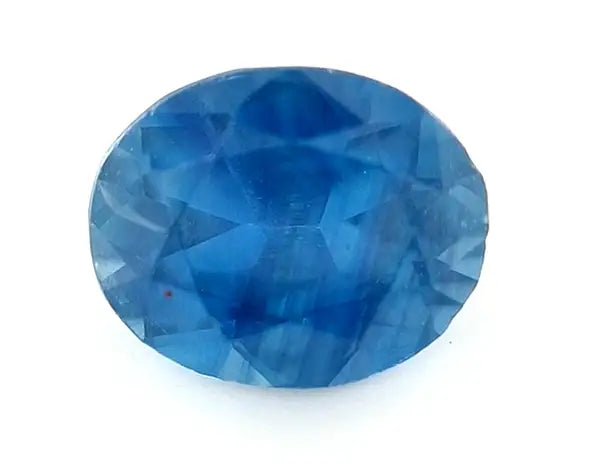
Cut for light
Sapphire cut in Australia, including many of the stones we offer, is generally precision-cut: faceted on modern equipment to exact angles calculated for the way sapphire bends light. The aim is maximum brightness and even colour, with the pavilion angled so light returns to your eye rather than leaking out the bottom. It can mean sacrificing a little weight, but the stone comes alive face-up. Due to the loss of weight, precision-cut gemstones will often be more expensive per carat than traditional cut stones.
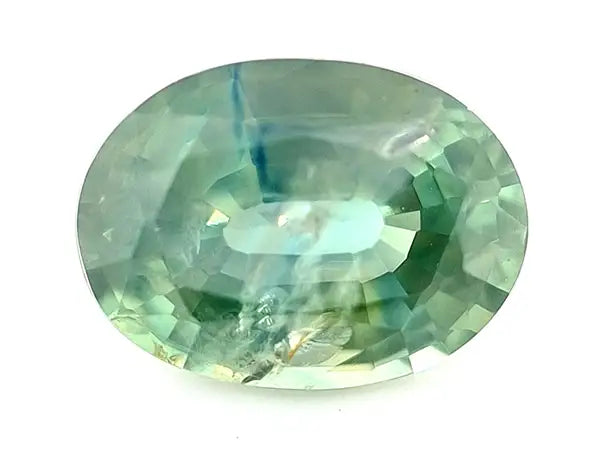
Cut for weight
Much of the world's sapphire is traditionally cut close to the shape of the rough to keep as much weight as possible, since cutters are often paid by the carat. Step cuts can be beautiful; however, when the priority is on weight, the stone may be cut too deep or too shallow, which creates a 'window', a see-through patch in the centre where light passes straight through instead of bouncing back. This can be a negative, however, on the right stone, say a parti sapphire or a gem with interesting inclusions, the window can help frame the unique characteristics of the gemstone.
Stones that became legends
Australia hasn't just supplied volume, it has produced some of the most remarkable individual sapphires ever found. A few are world-famous. Others are held privately by the very family who supplies us.
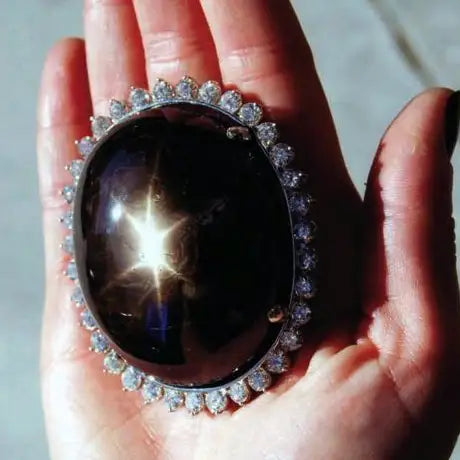
The Black Star of Queensland
The most famous Australian sapphire of all. Found in the 1930s by a boy in the Anakie field, it was used as a doorstop for years before the family realised what it was. Cut into a 733-carat cabochon, it was long the largest gem-quality star sapphire in the world, a black stone throwing a sharp six-ray star, and was famously worn by Cher on television in 1971. It remains a touchstone for what Queensland ground can produce. Unknown photographer. If this is your photo, congratulations its one of the best photos ever taken of this elusive gemstone, please contact us.
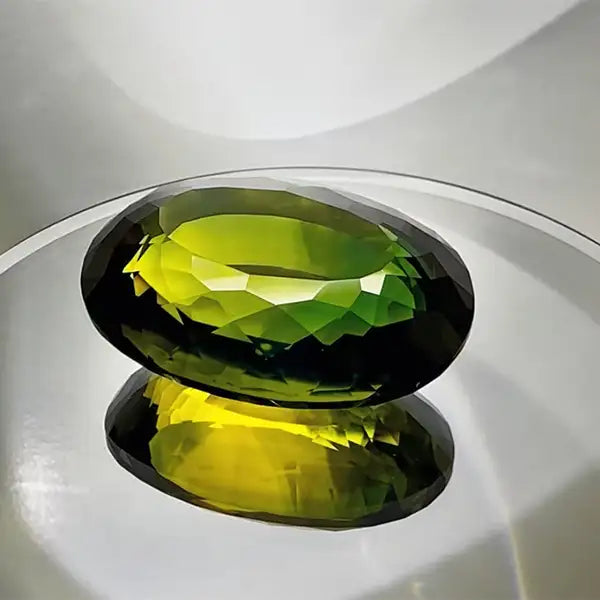
The Pride of Australia
Held in the Richardson family collection and described as the largest parti sapphire in the world, a precision-cut stone blending royal blue, emerald green and flashes of golden yellow. It shows, at extraordinary scale, exactly what makes Australian parti sapphire special: several colours held in balance within one gem.
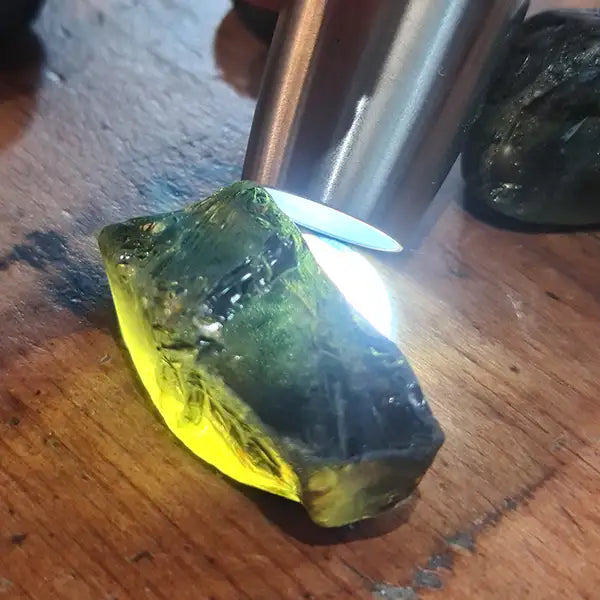
The Stonebridge Sapphire
Unearthed in 1928 by miner Mick Stonebridge, this 203-carat uncut parti crystal carries bold bands of royal blue and forest green. Stolen and recovered, travelled to New York and personally brought back to Australia by Ray Richardson, it now sits safely in the Richardson family's private collection, a reminder that the great stones often have lives of their own.
The Tomahawk Tiger
A natural parti crystal banded in golden yellow and deep green like a tiger's stripes, found by a schoolboy at Tomahawk Creek in 1976 and hailed as one of the finest multi-coloured sapphire crystals ever discovered. Like the others, it's now part of the Richardson collection, one of the families who supply us. We've been lucky to be in this sapphires presence a number of times and it truly is a wonder of the natural world.
From the man who found Anakie, to the stones we set
In 1875, a government surveyor named Archibald Richardson found sapphire near Anakie while marking out the railway, the discovery that opened the Central Queensland Gemfields. His direct descendants are still there. Ray Richardson and Richardson Mining work those same fields today, and they are one of our largest and most trusted suppliers of Australian sapphire.
We've stood on that ground ourselves, visited the Richardson's mines, filmed the wash coming up, and chosen stones at the source. It means an unbroken line runs from the discovery of Australian sapphire 150 years ago to the gem we can set into your ring. The Richardson family also safeguards an extraordinary private collection of legacy stones, including the Pride of Australia, the Stonebridge and the Tomahawk Tiger. We thank them for their generous approach to teaching all Australians about the wonders that were created in Queensland millions of years ago. We're very privileged to have had some of these record-breaking sapphires in our store on a number of occasions.
There's never been another stone like it. It's the pride of our family and the soul of our collection.
A stone you can trace to the ground it came from
Knowing the chemistry, the colours and the quirks is one thing, but an Australian sapphire really makes sense in the hand, where its depth and movement come to life.
Browse our loose Australian sapphires, or come and see a selection in person. We'll happily talk you through colour, treatment, cut and origin, and, where we can, tell you exactly which field your stone came from.
Explore our Australian sapphires, or book a time to view a selection.
View Australian sapphires